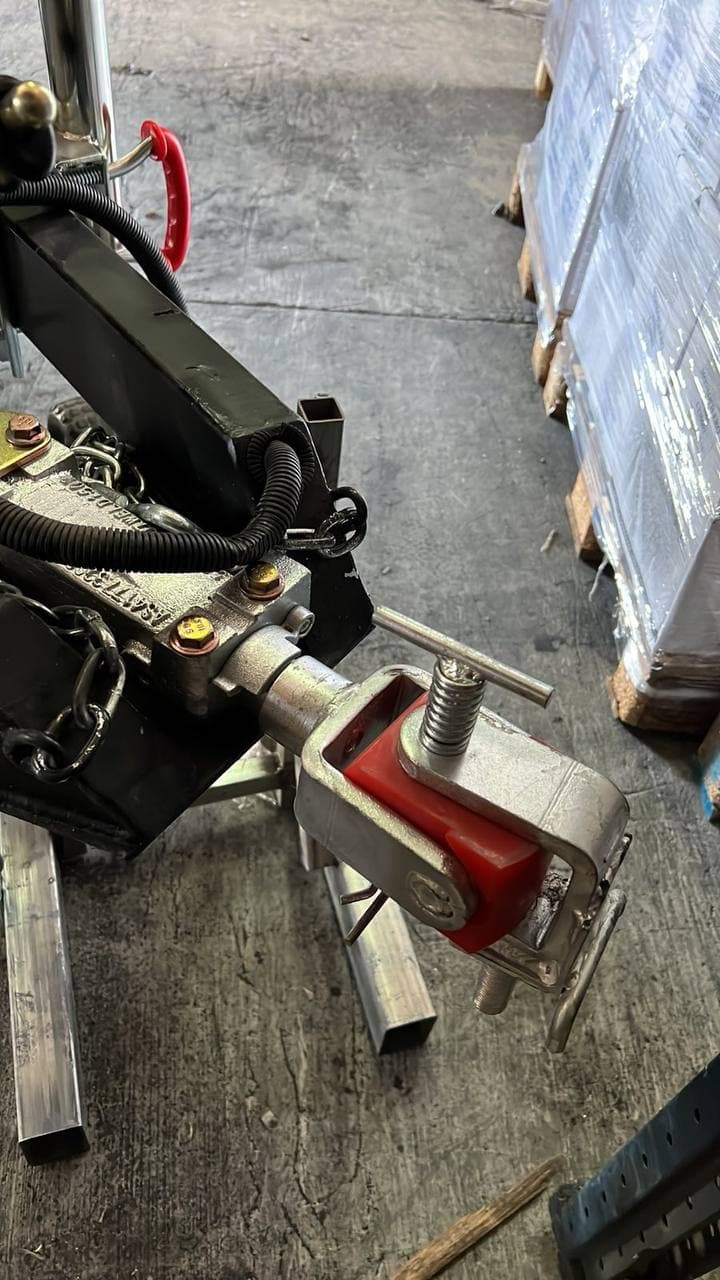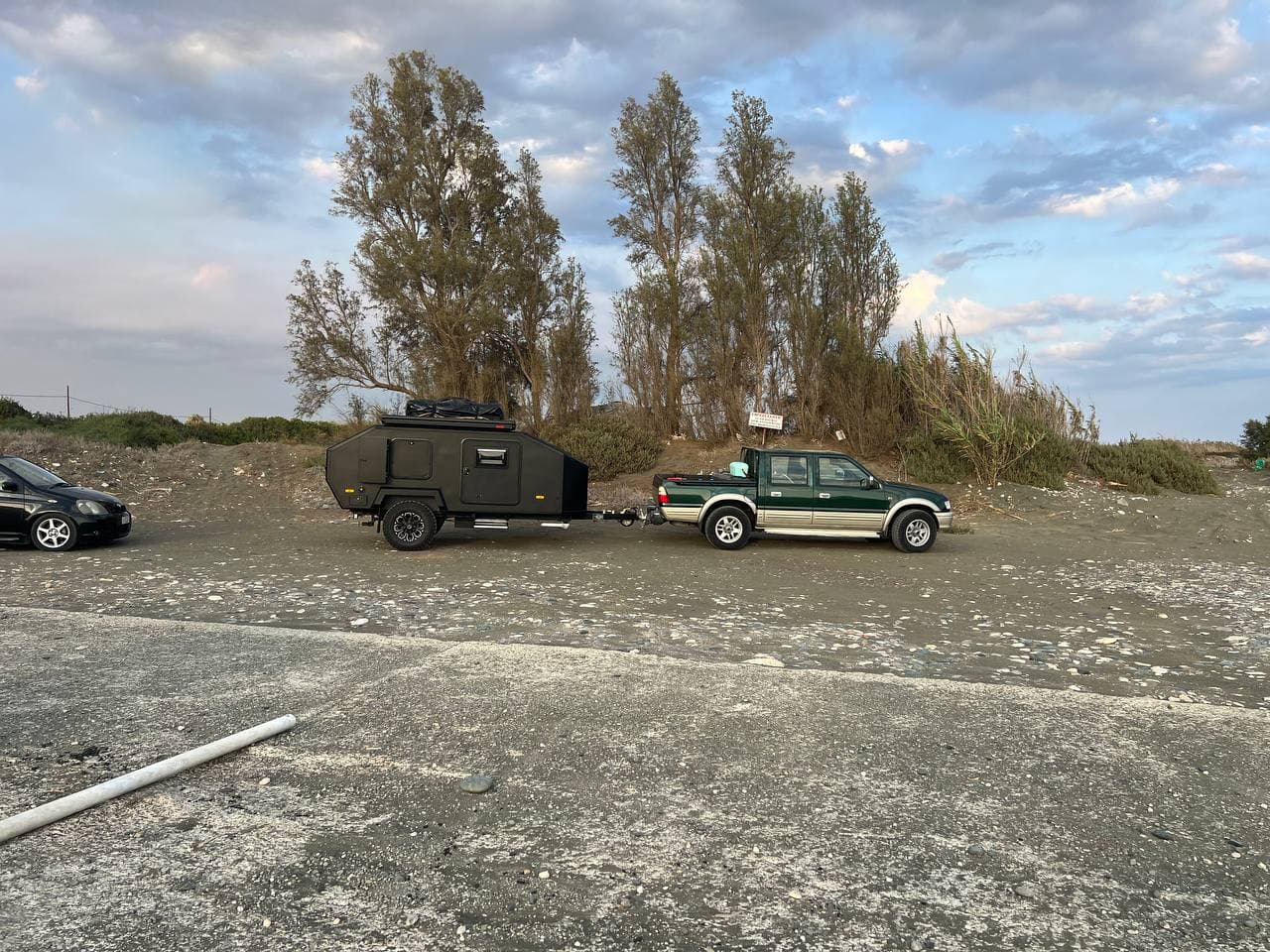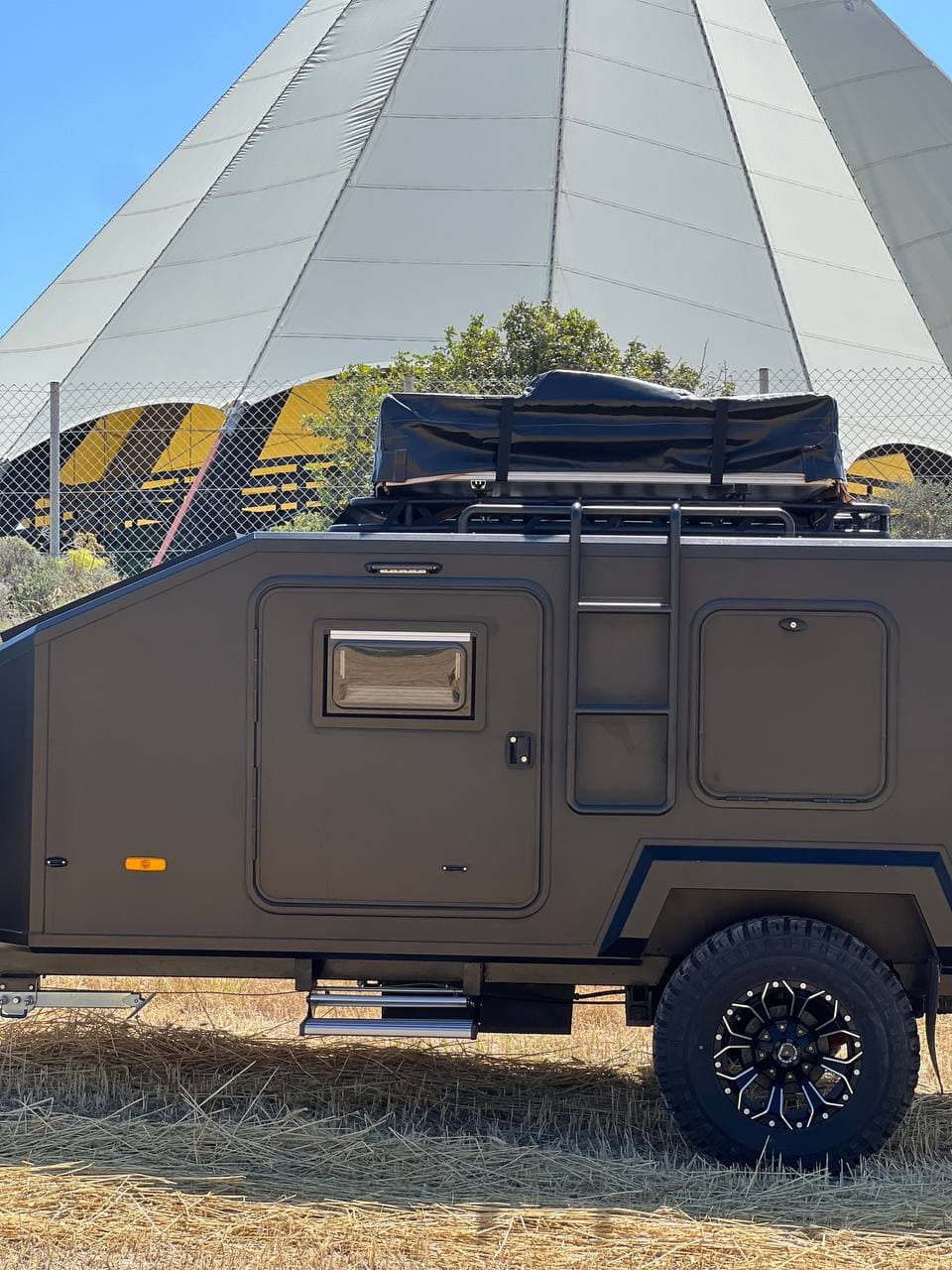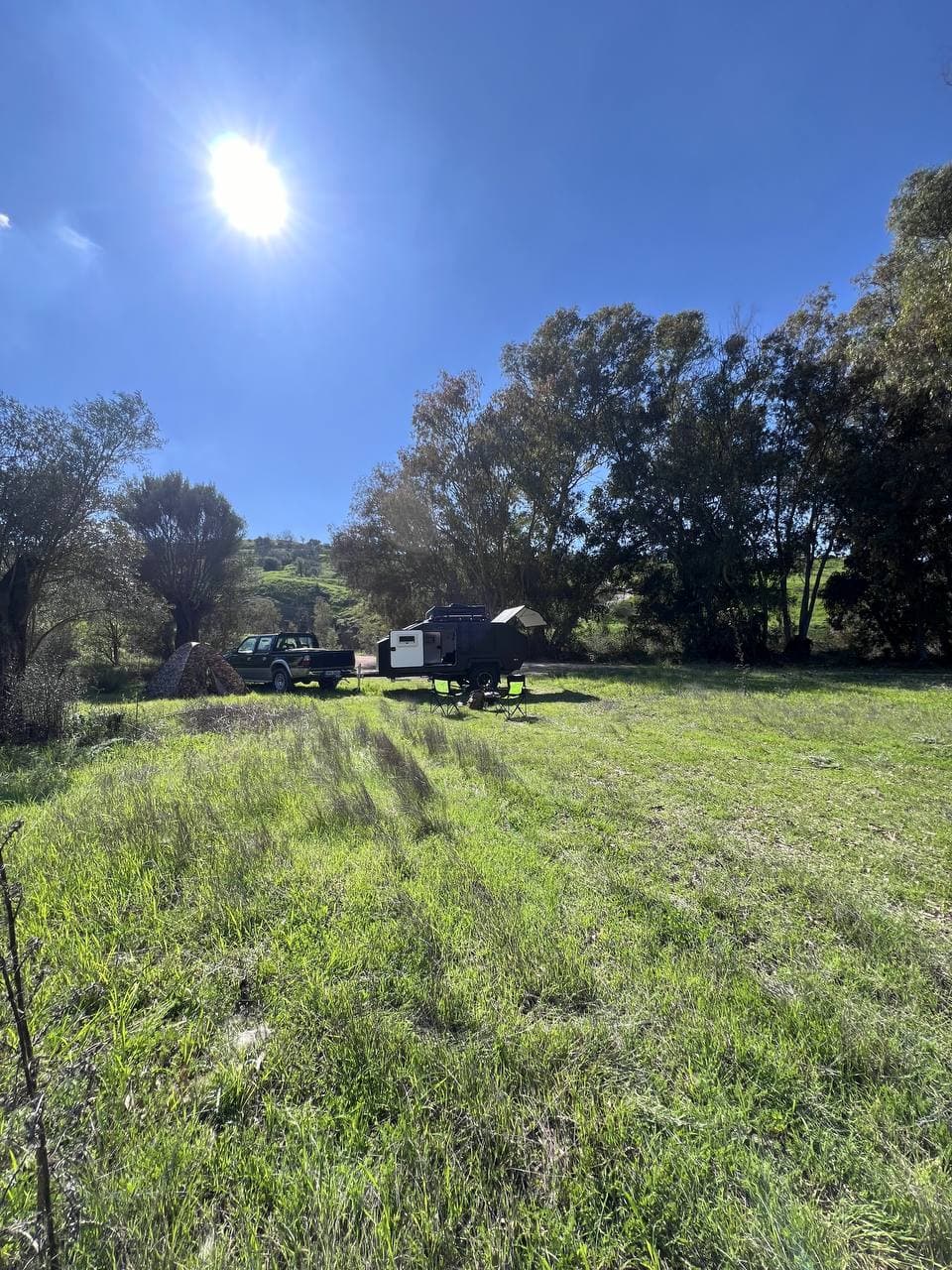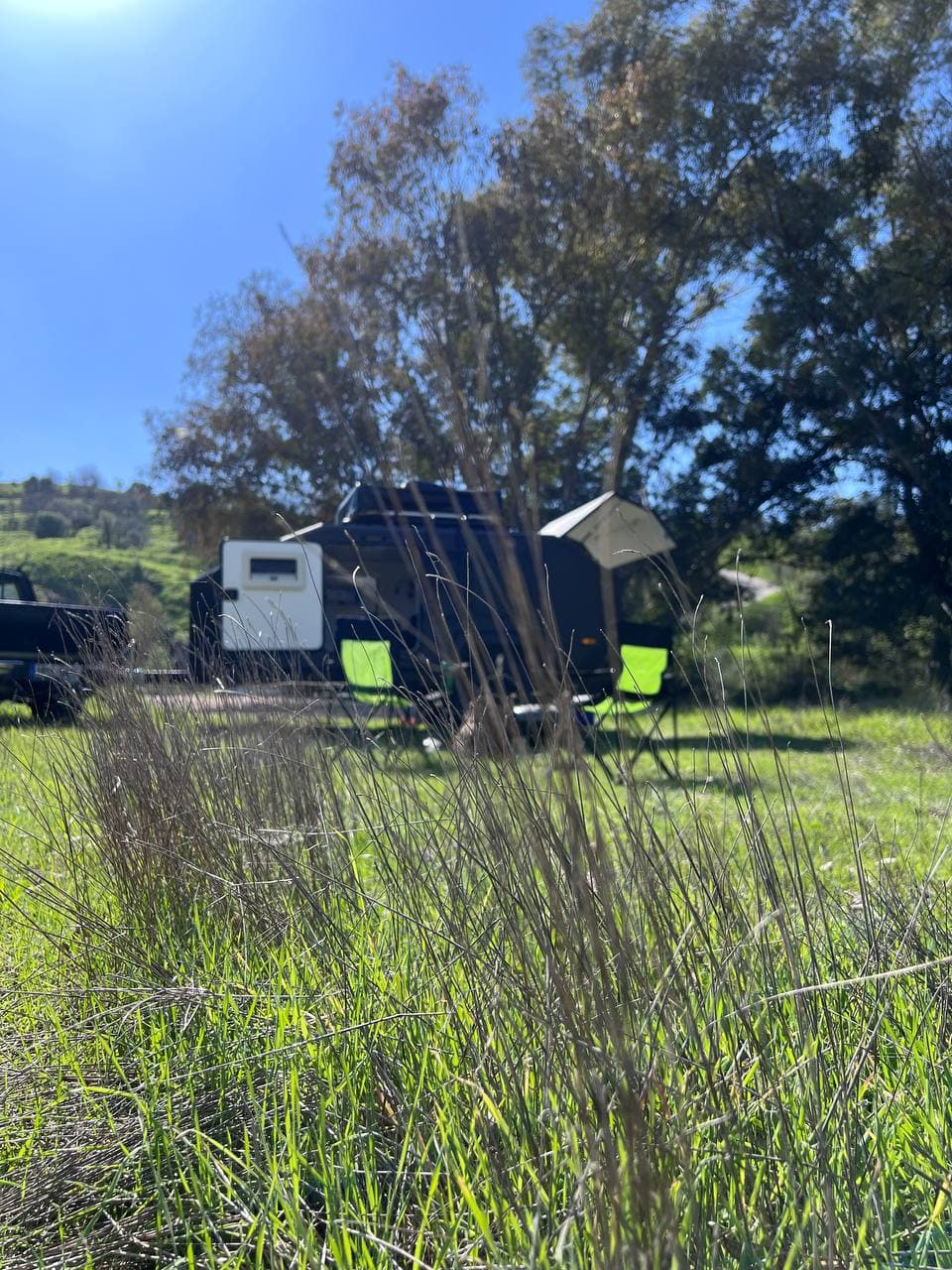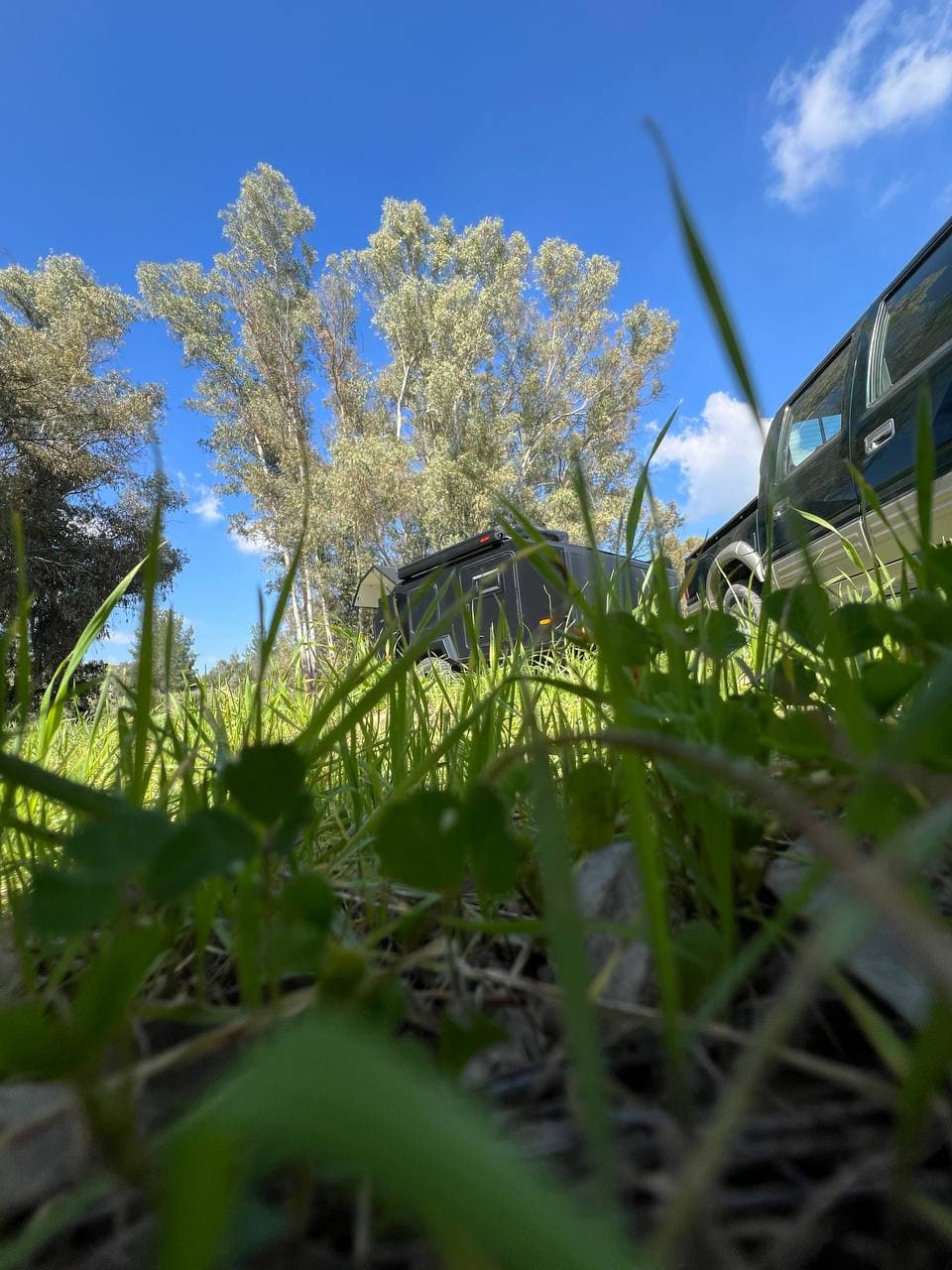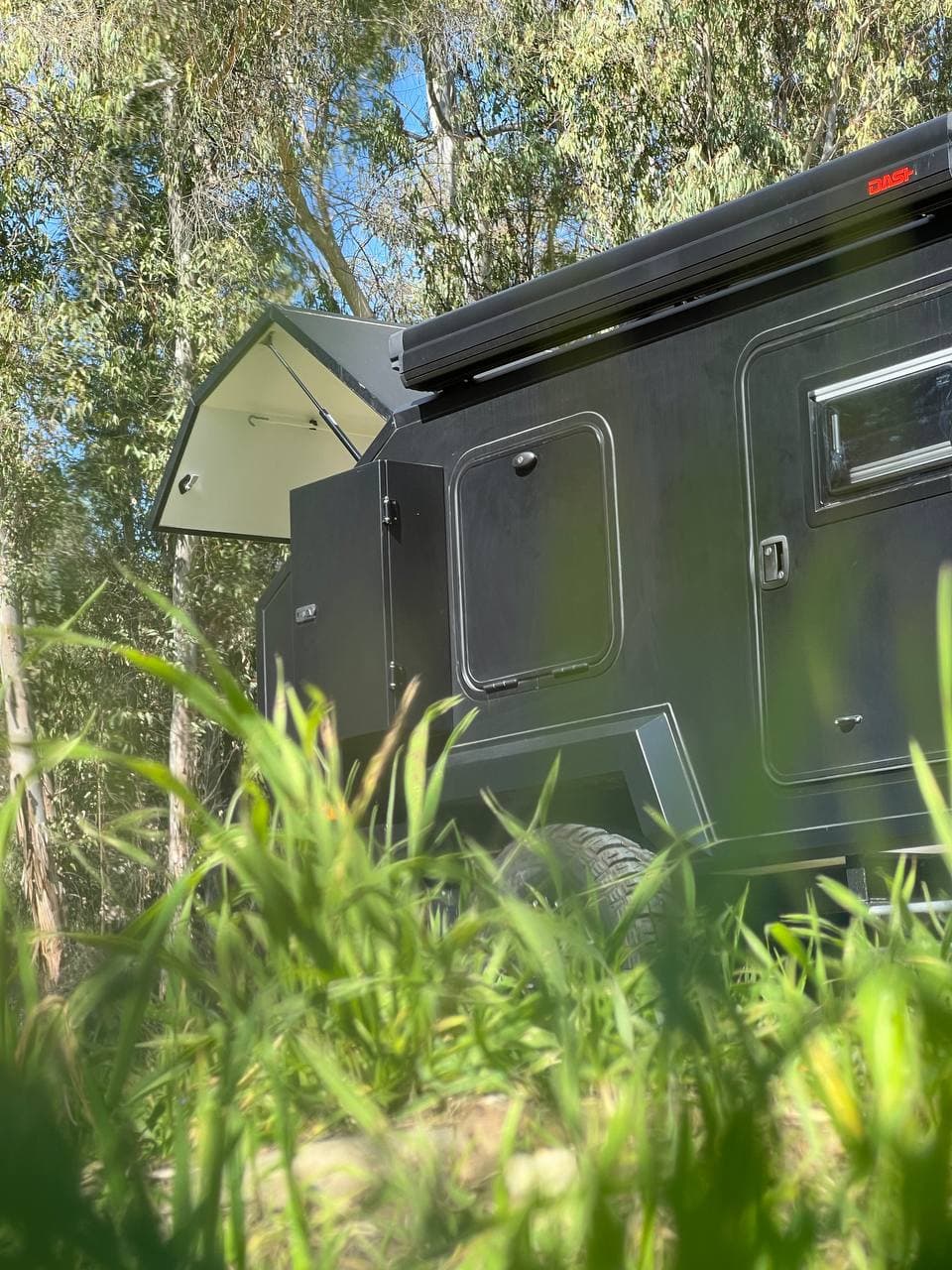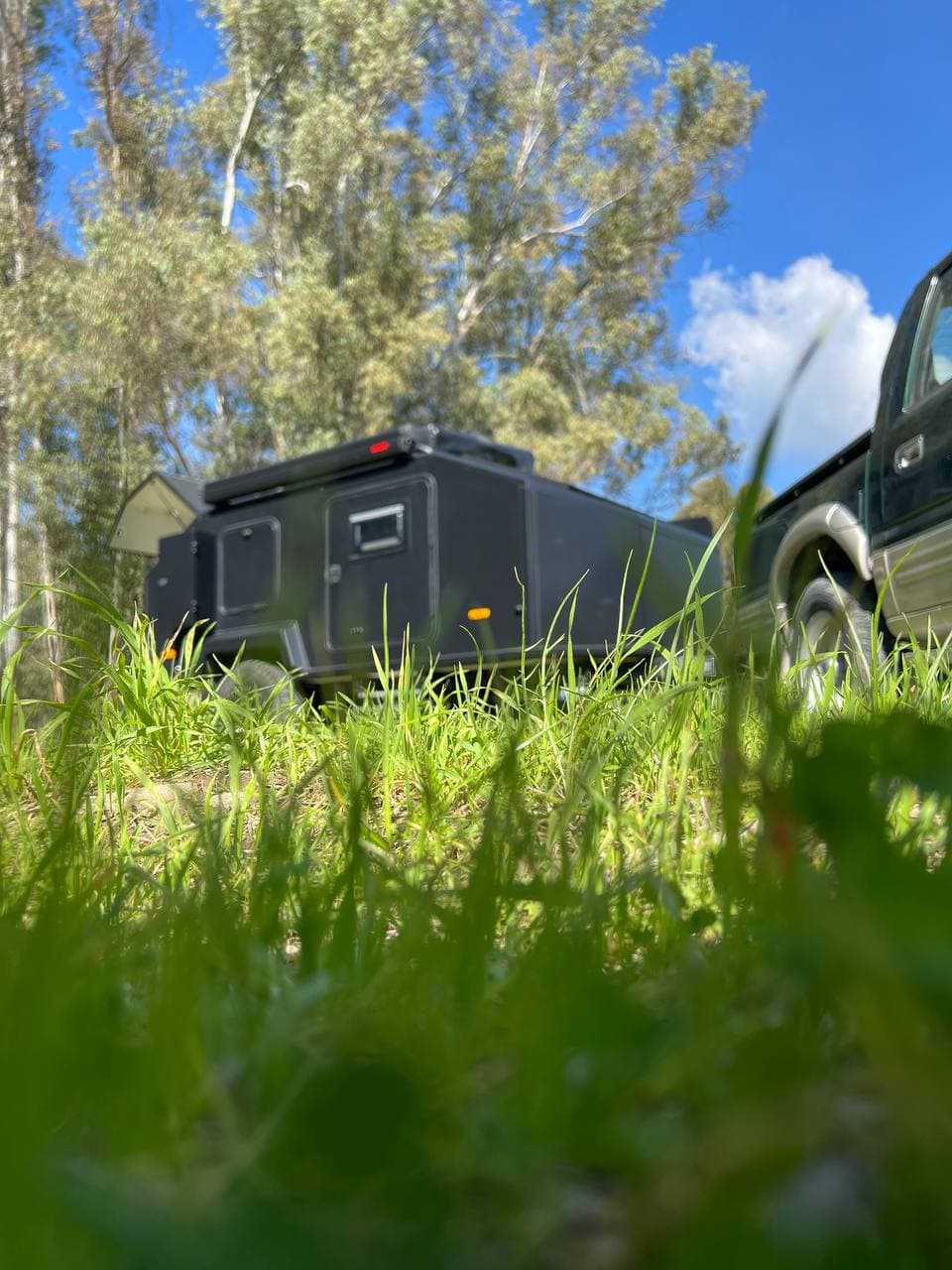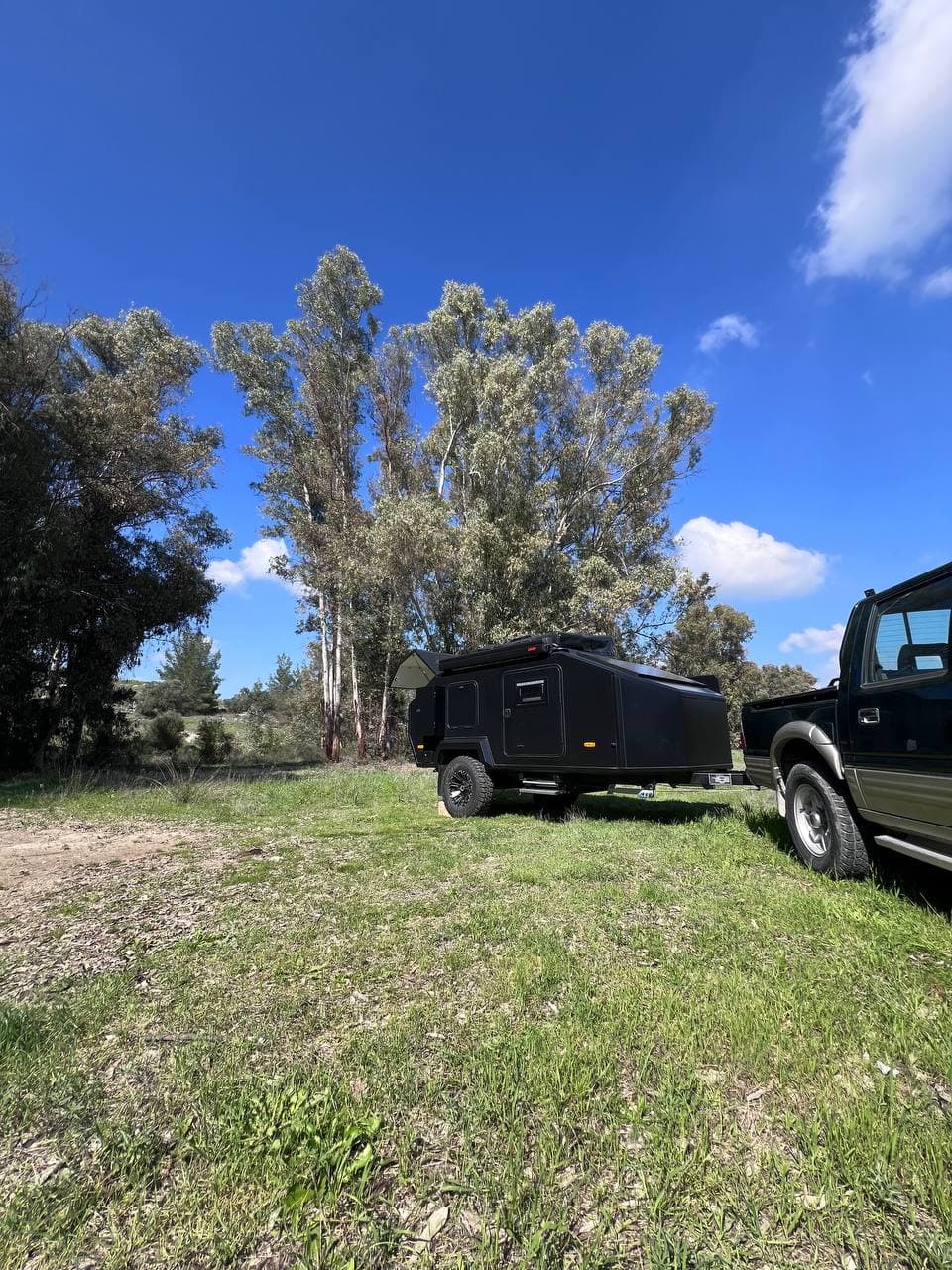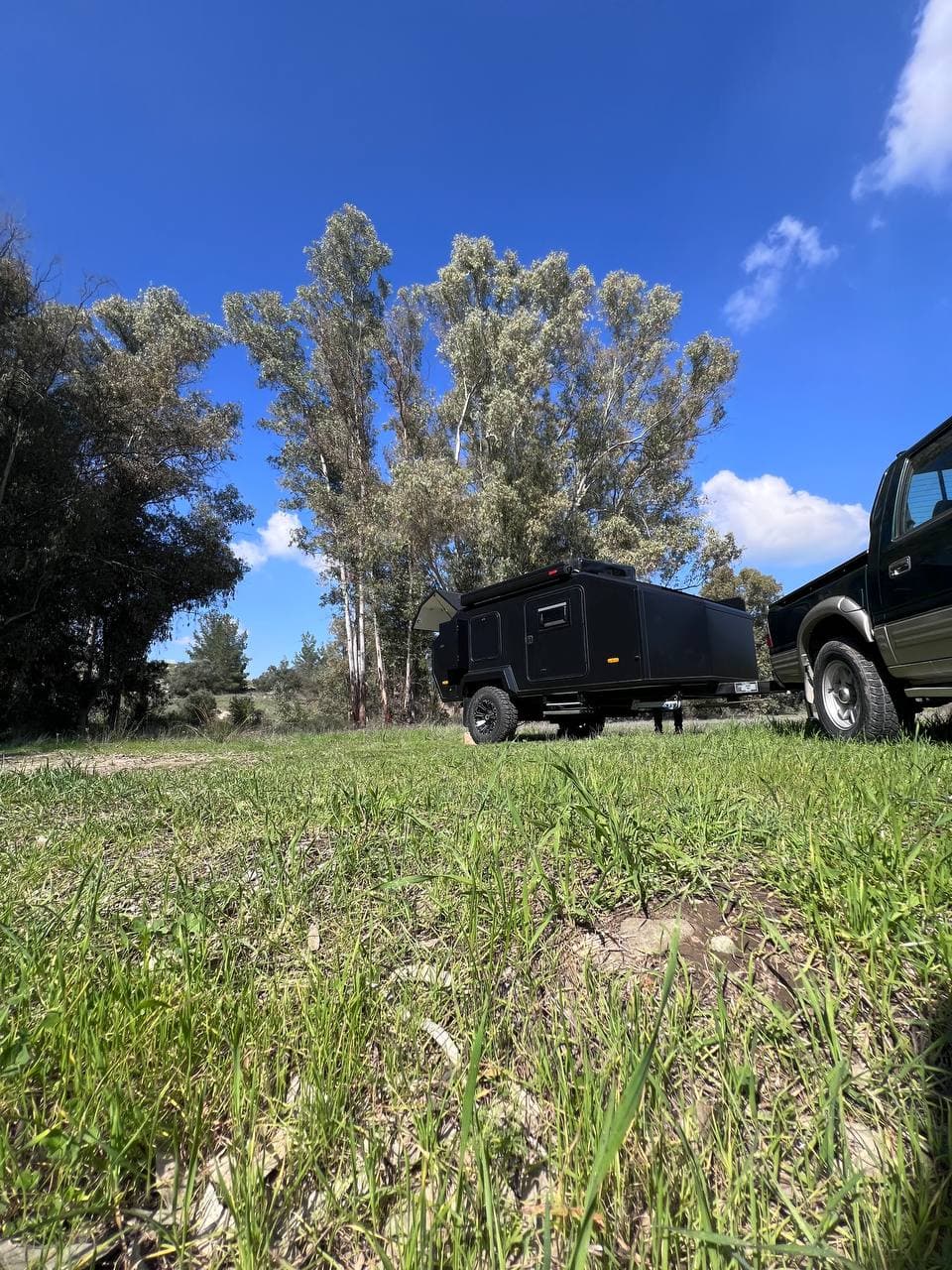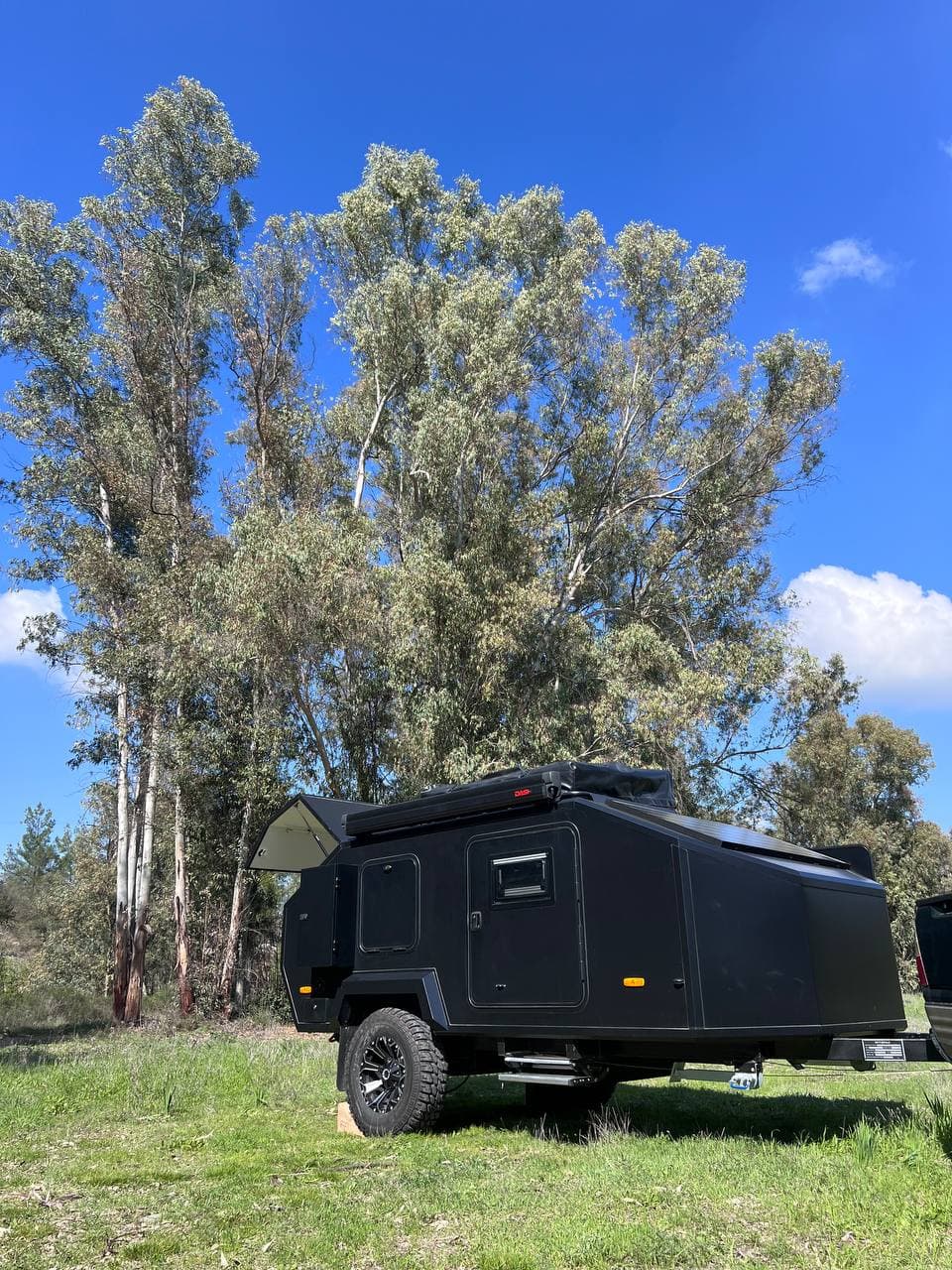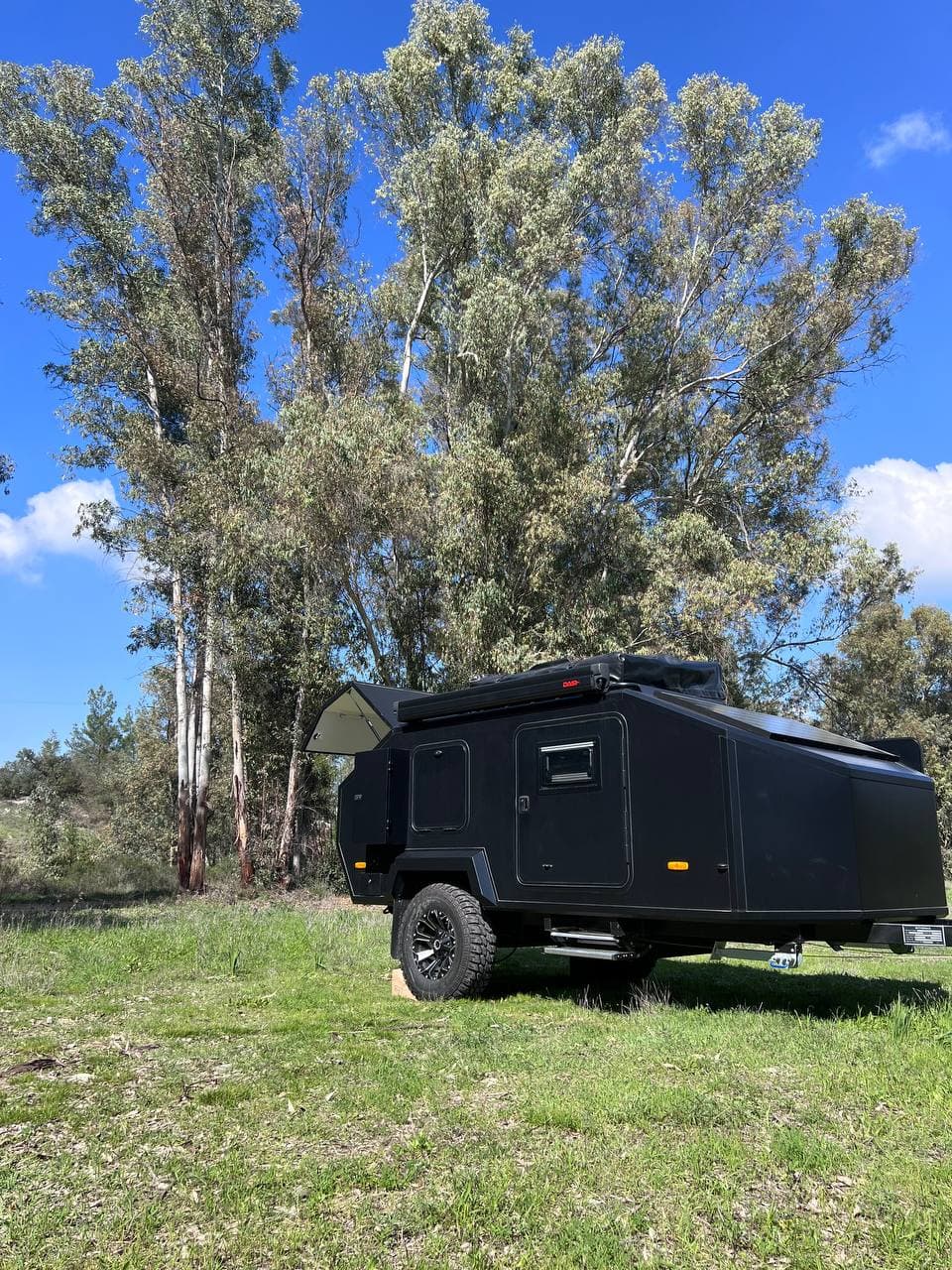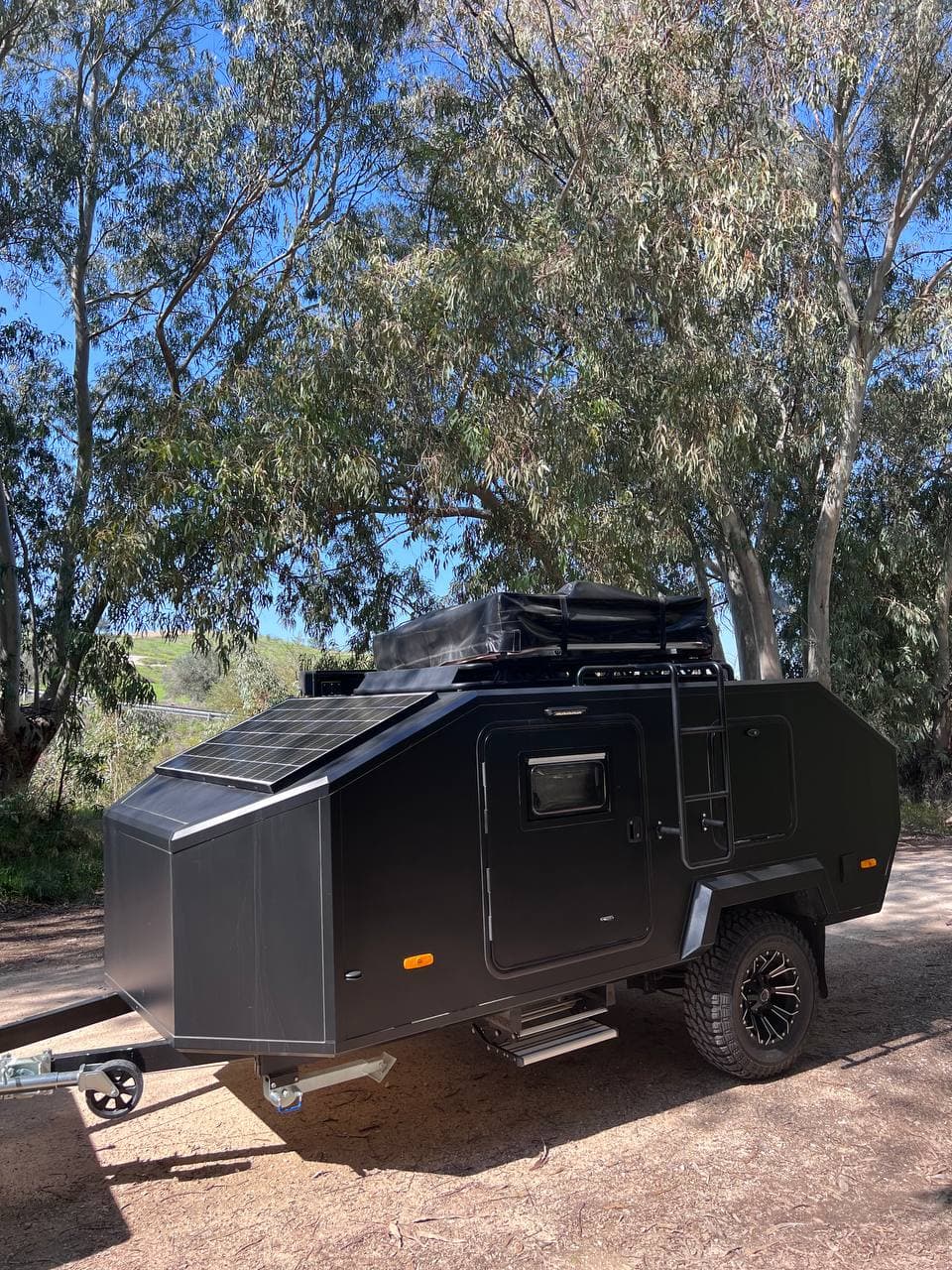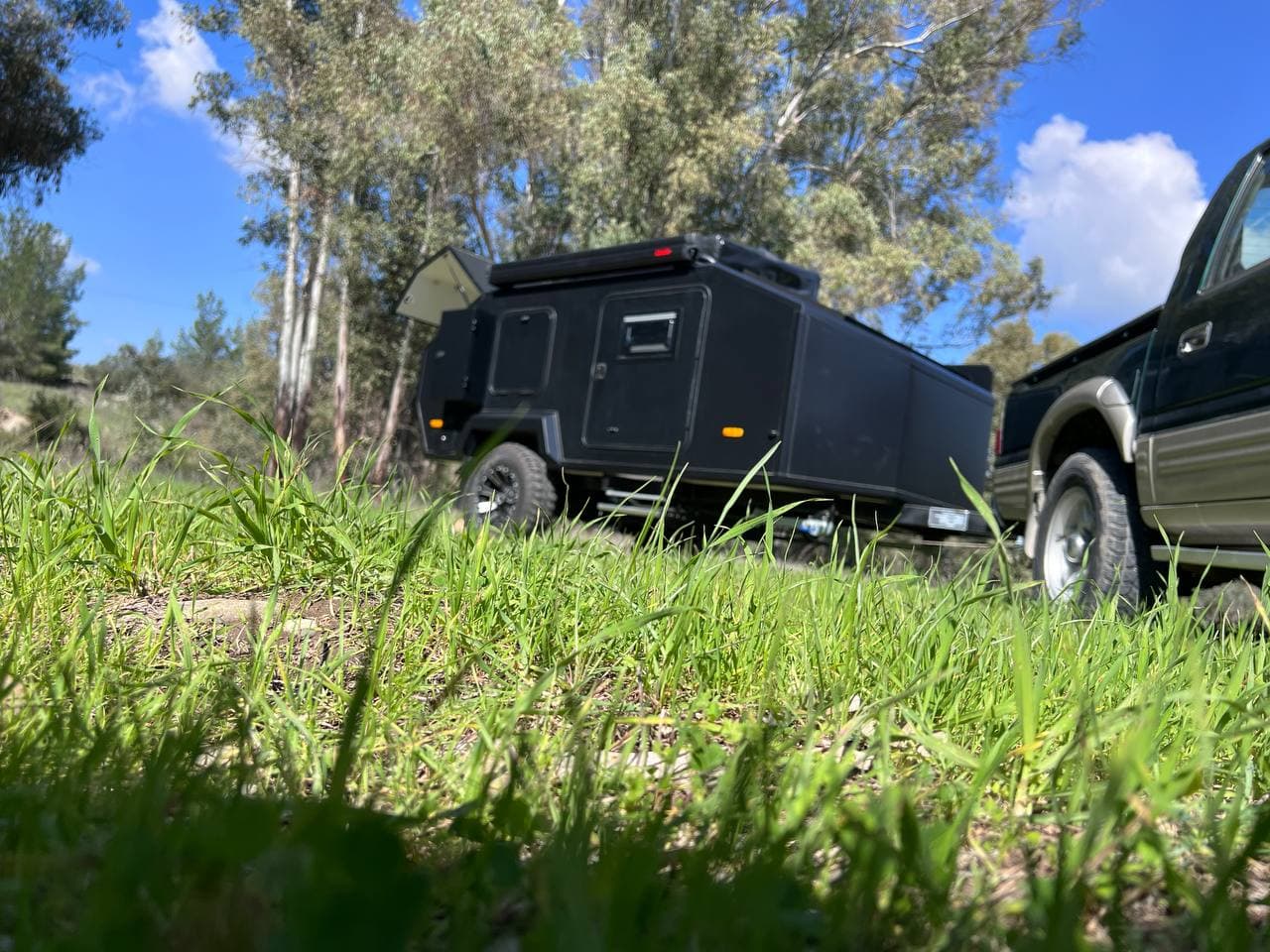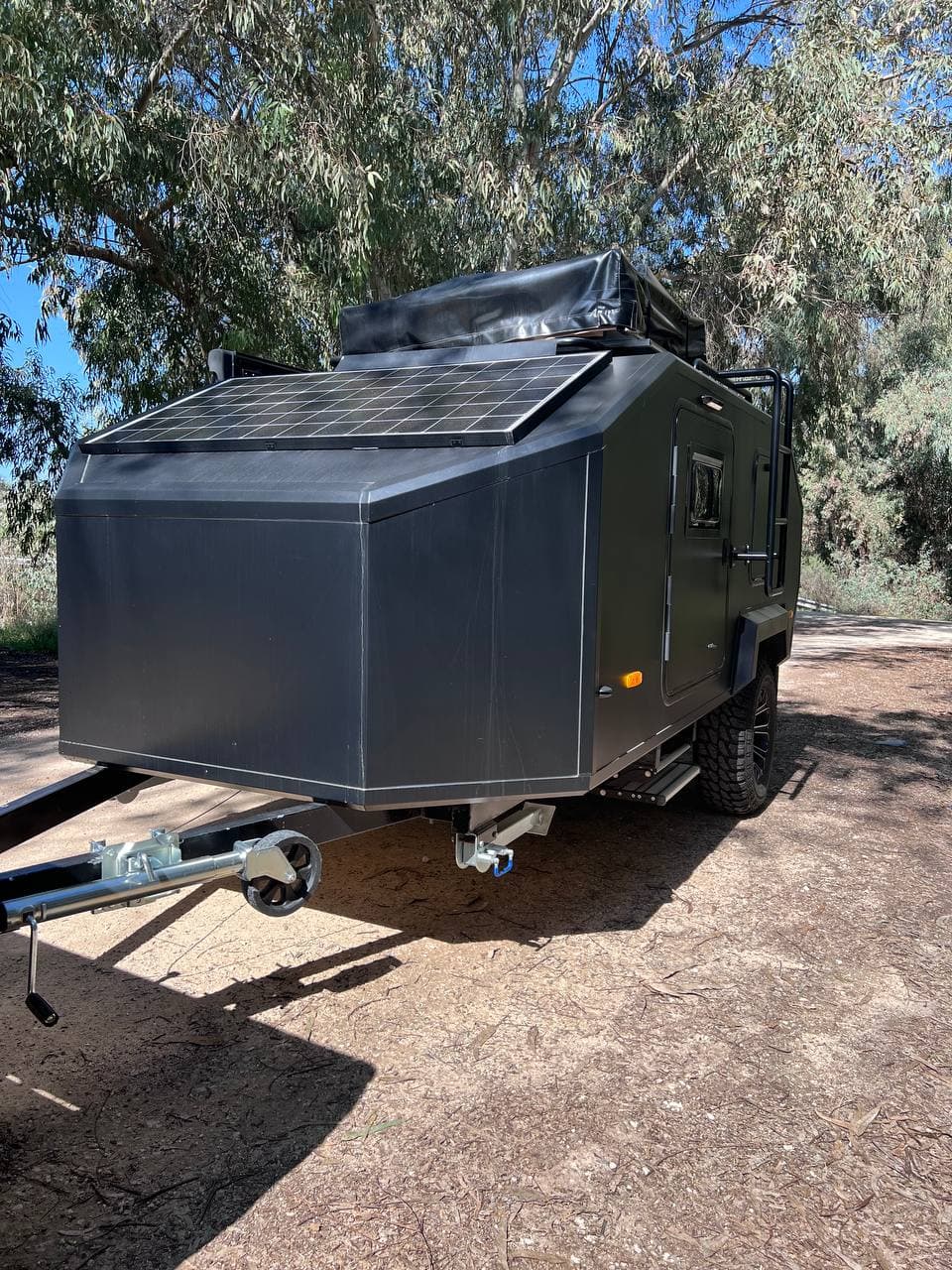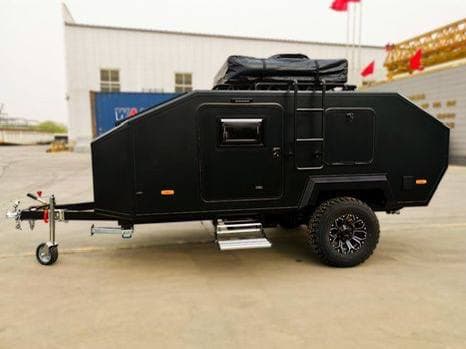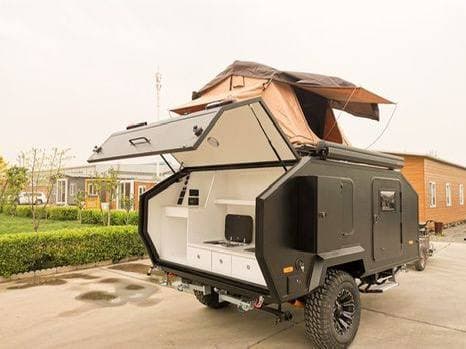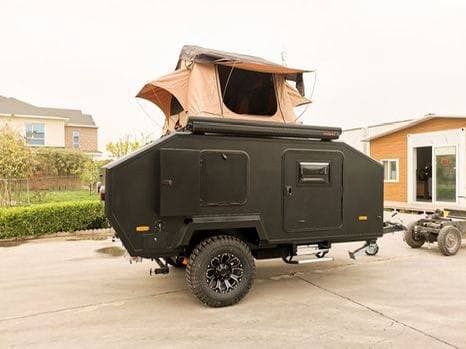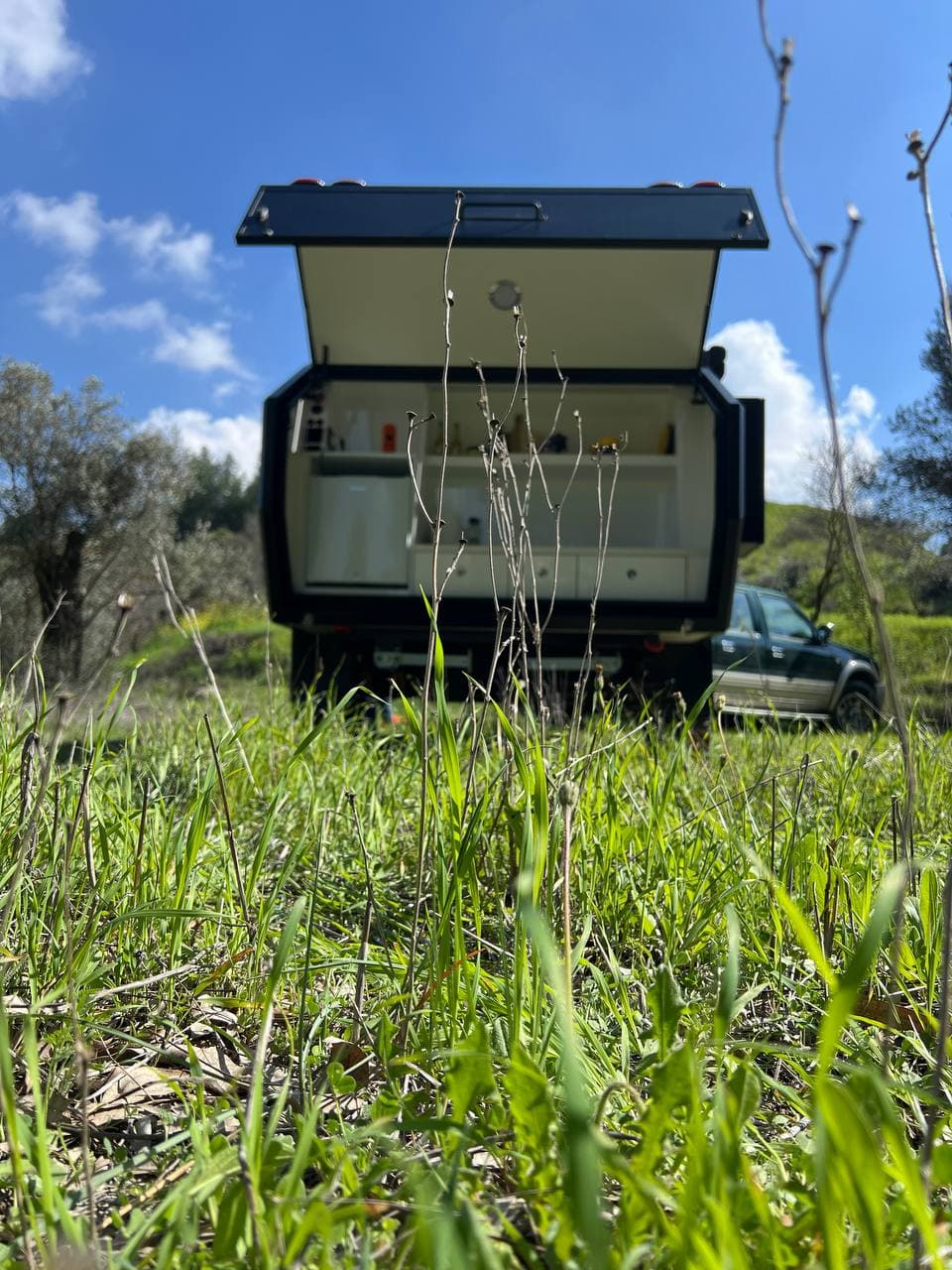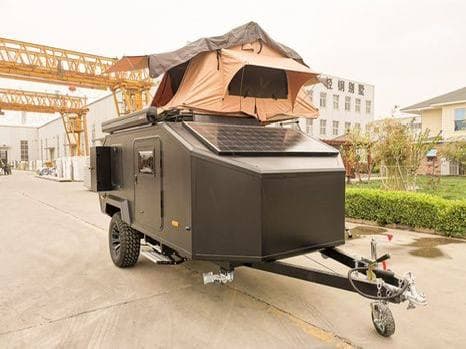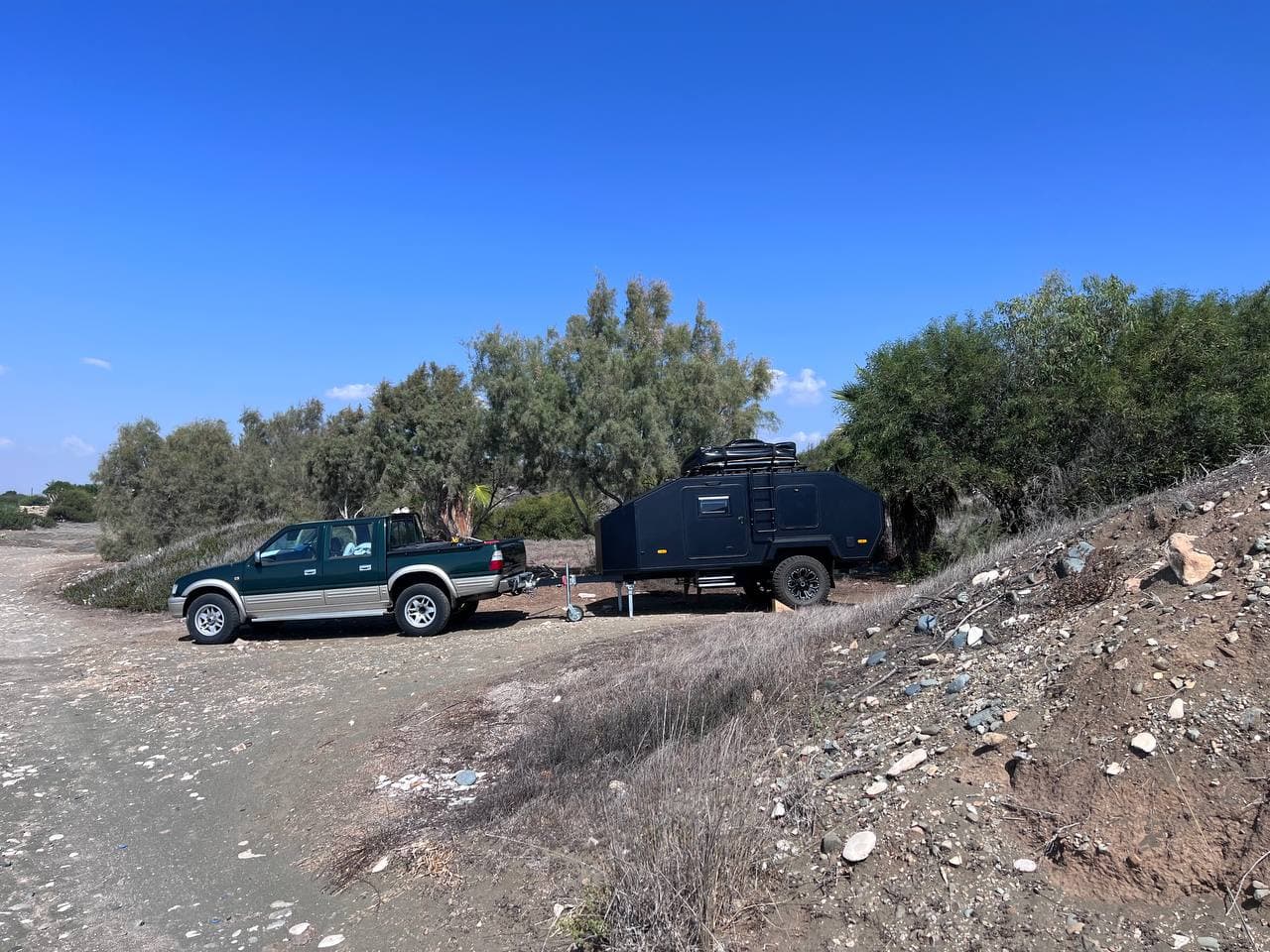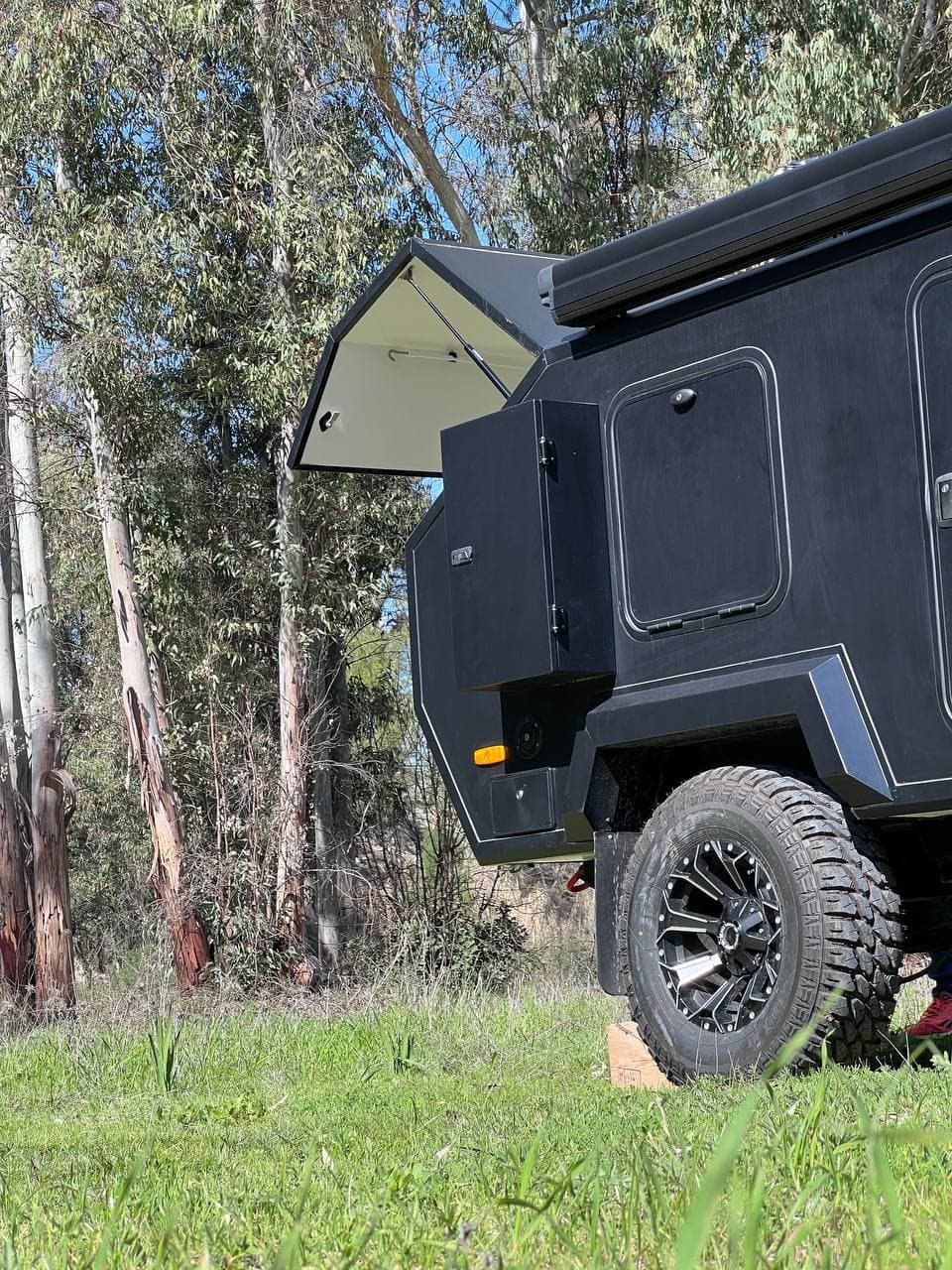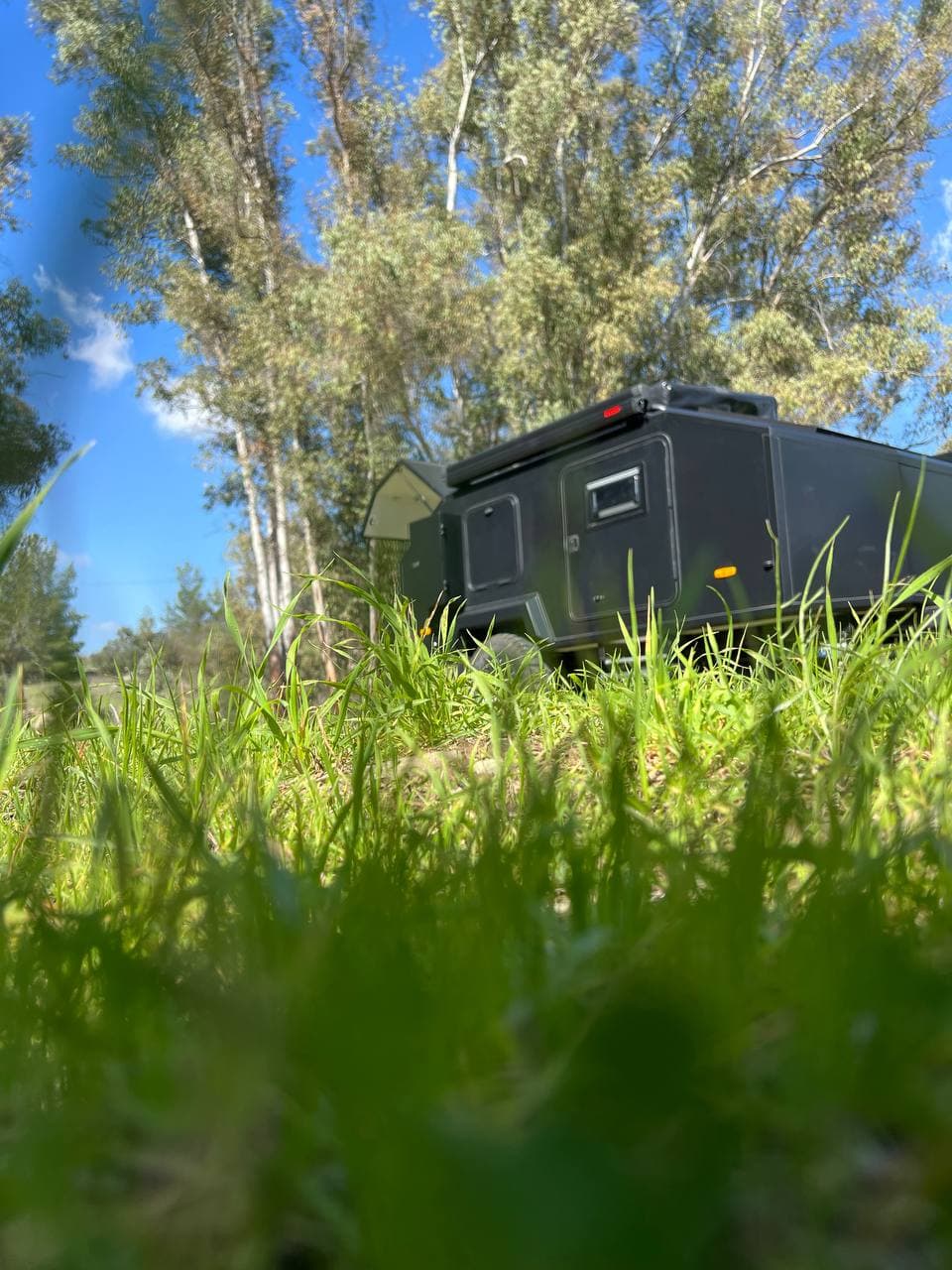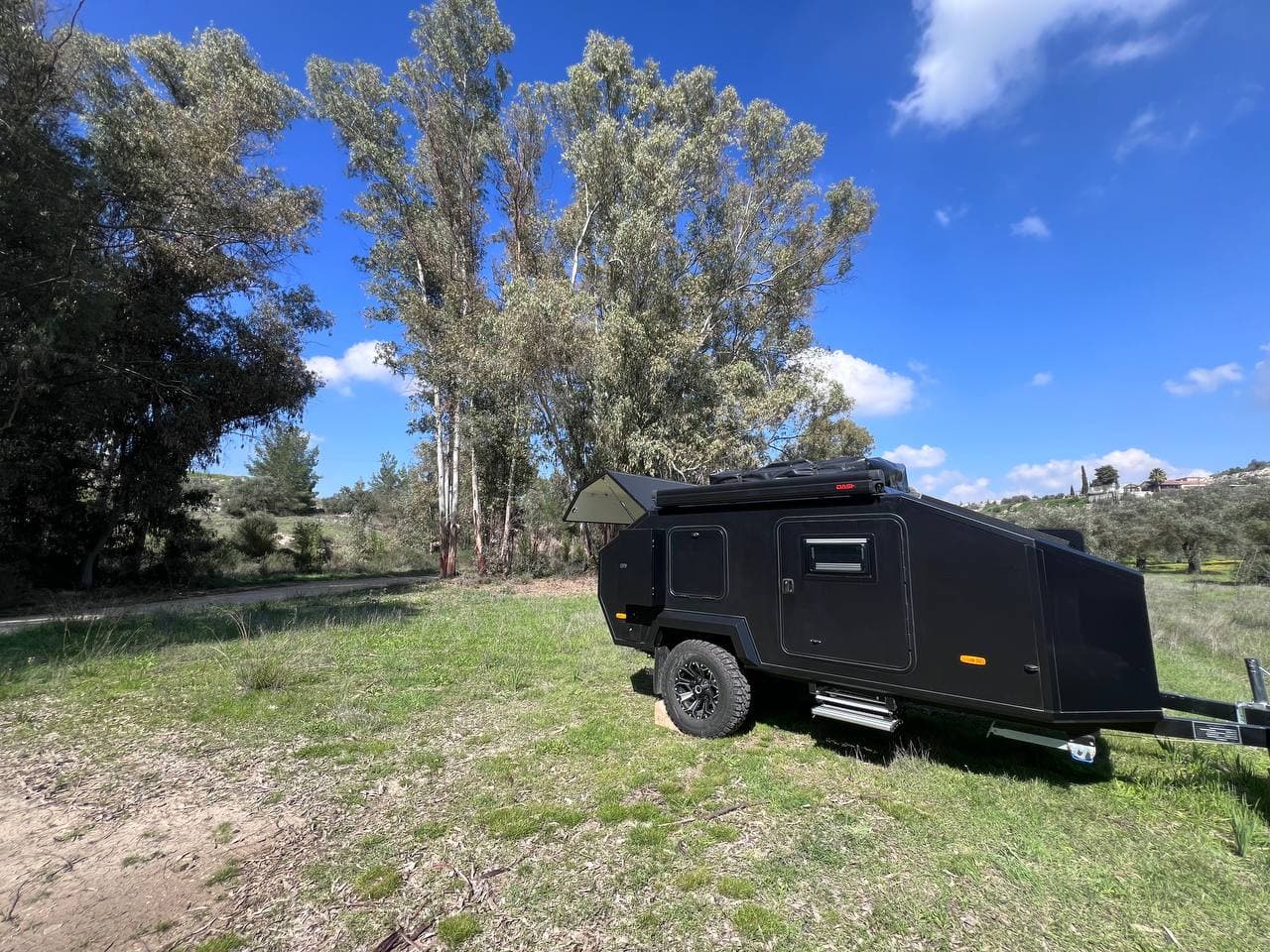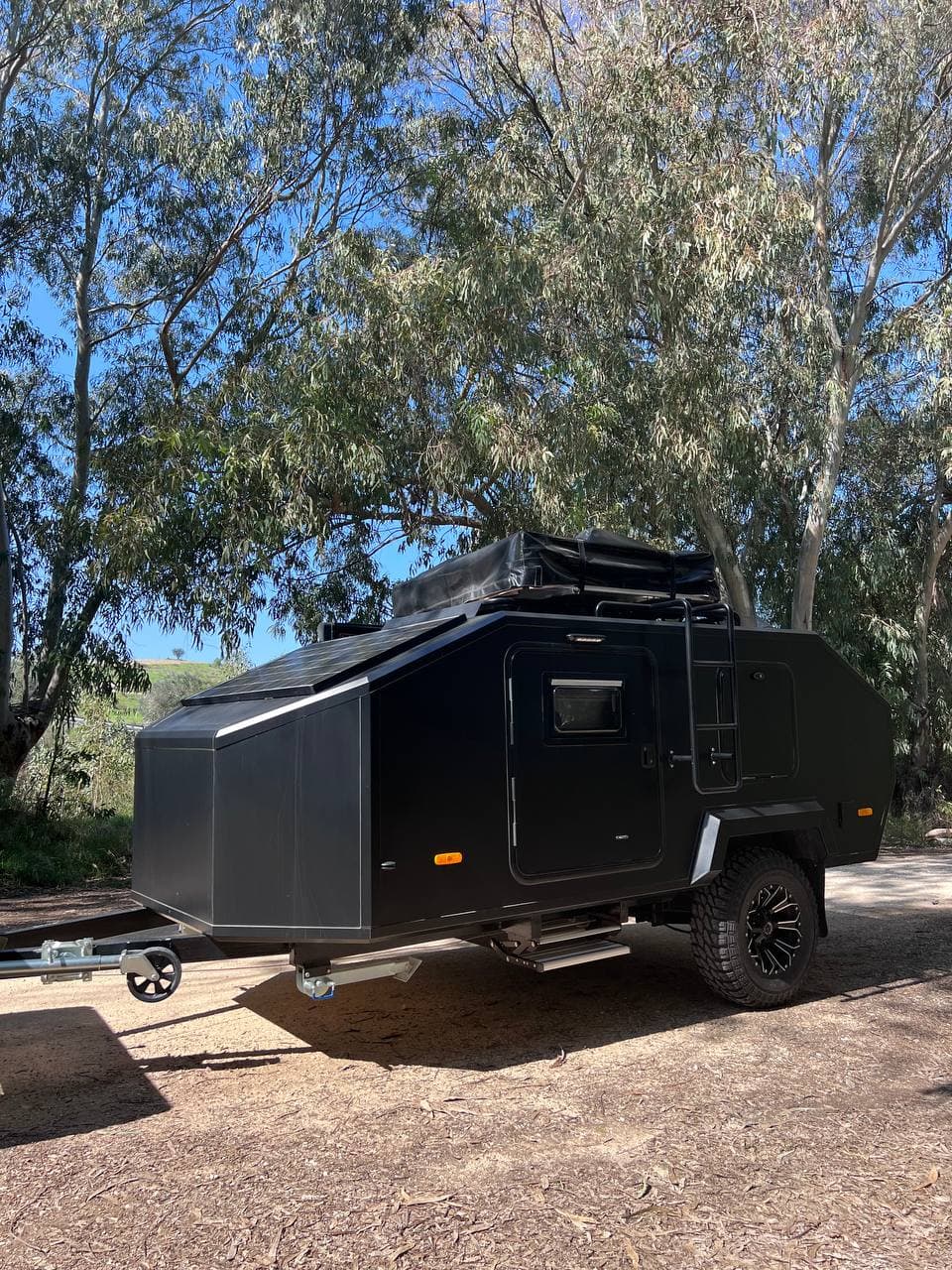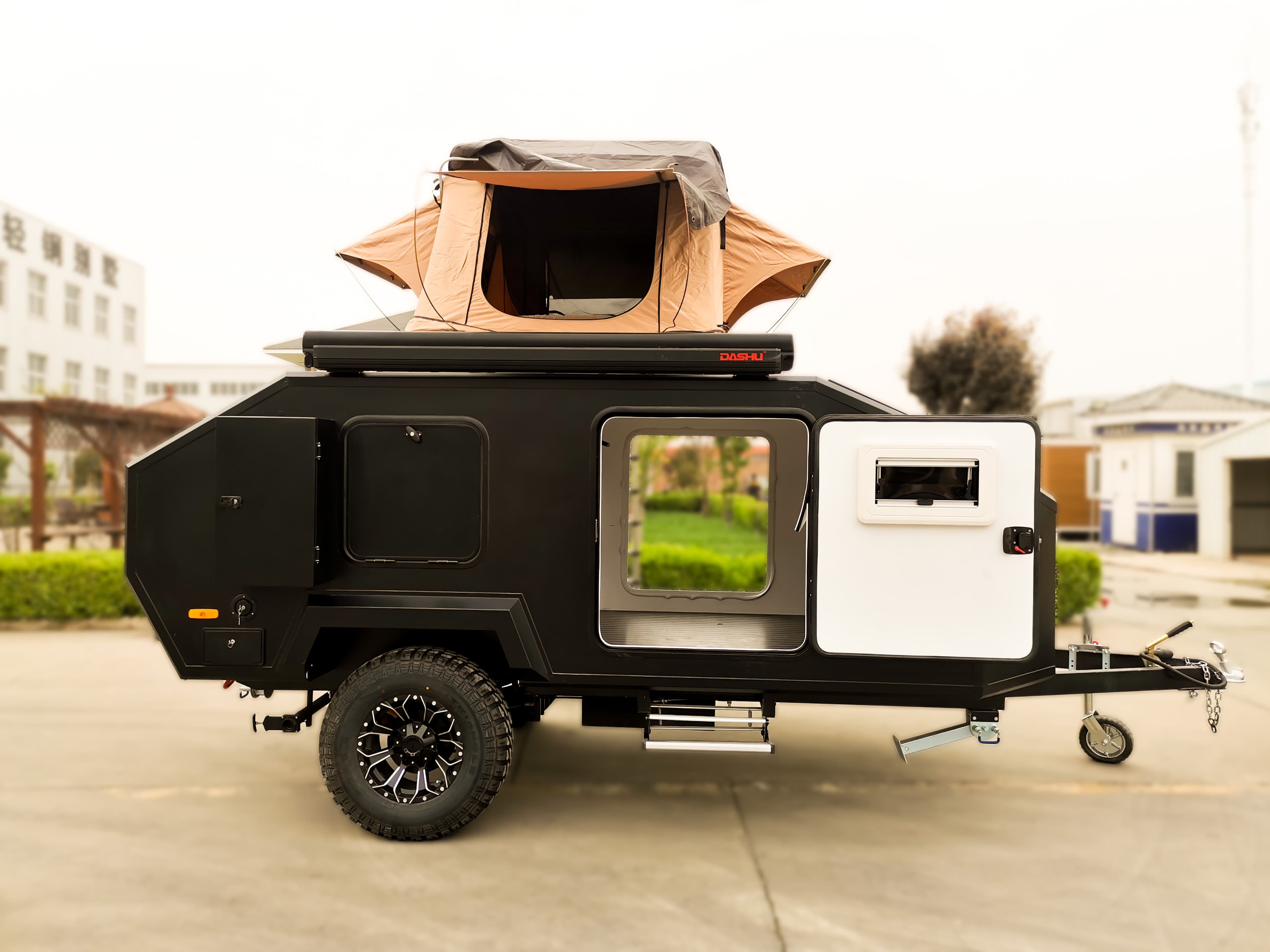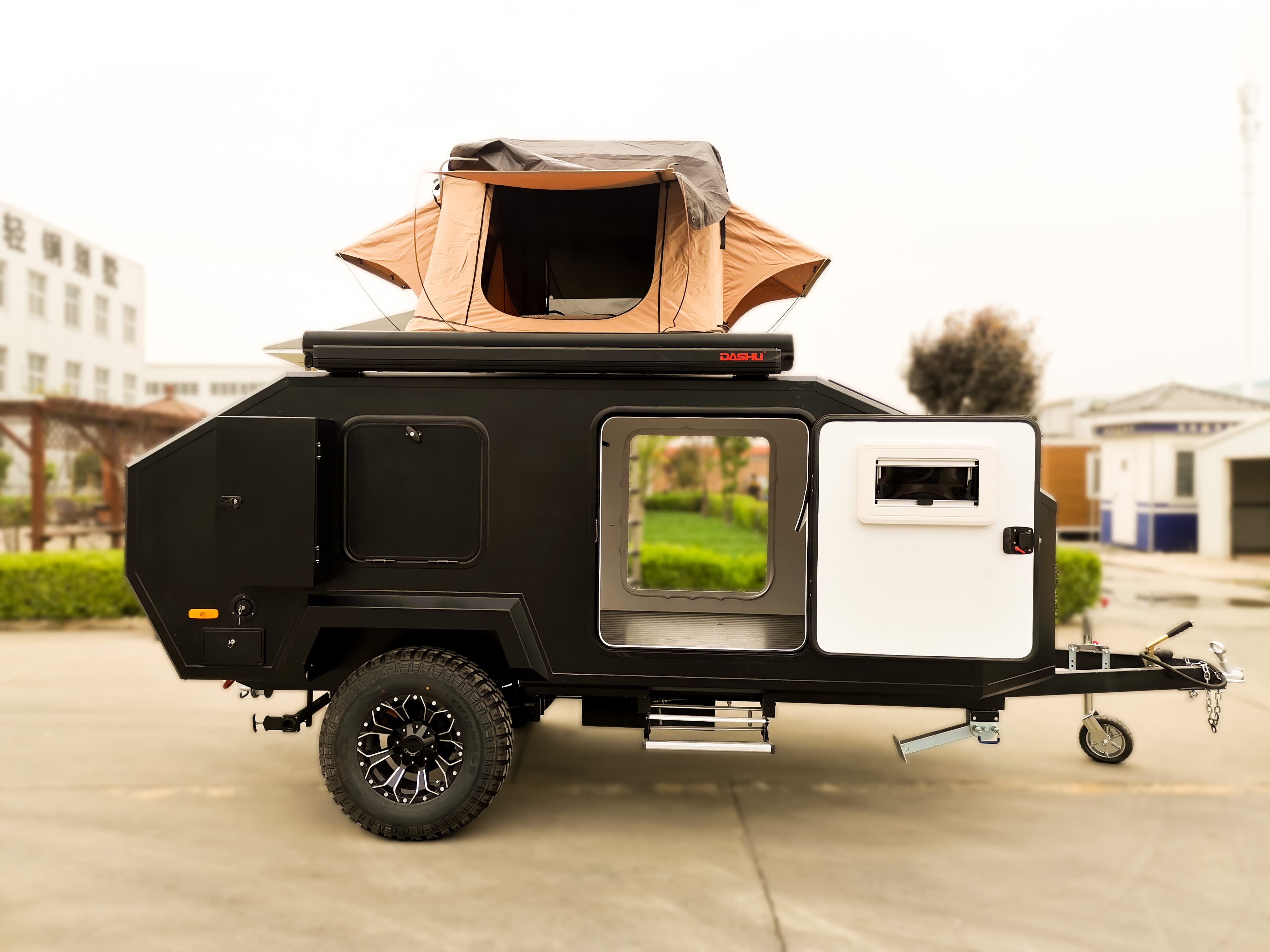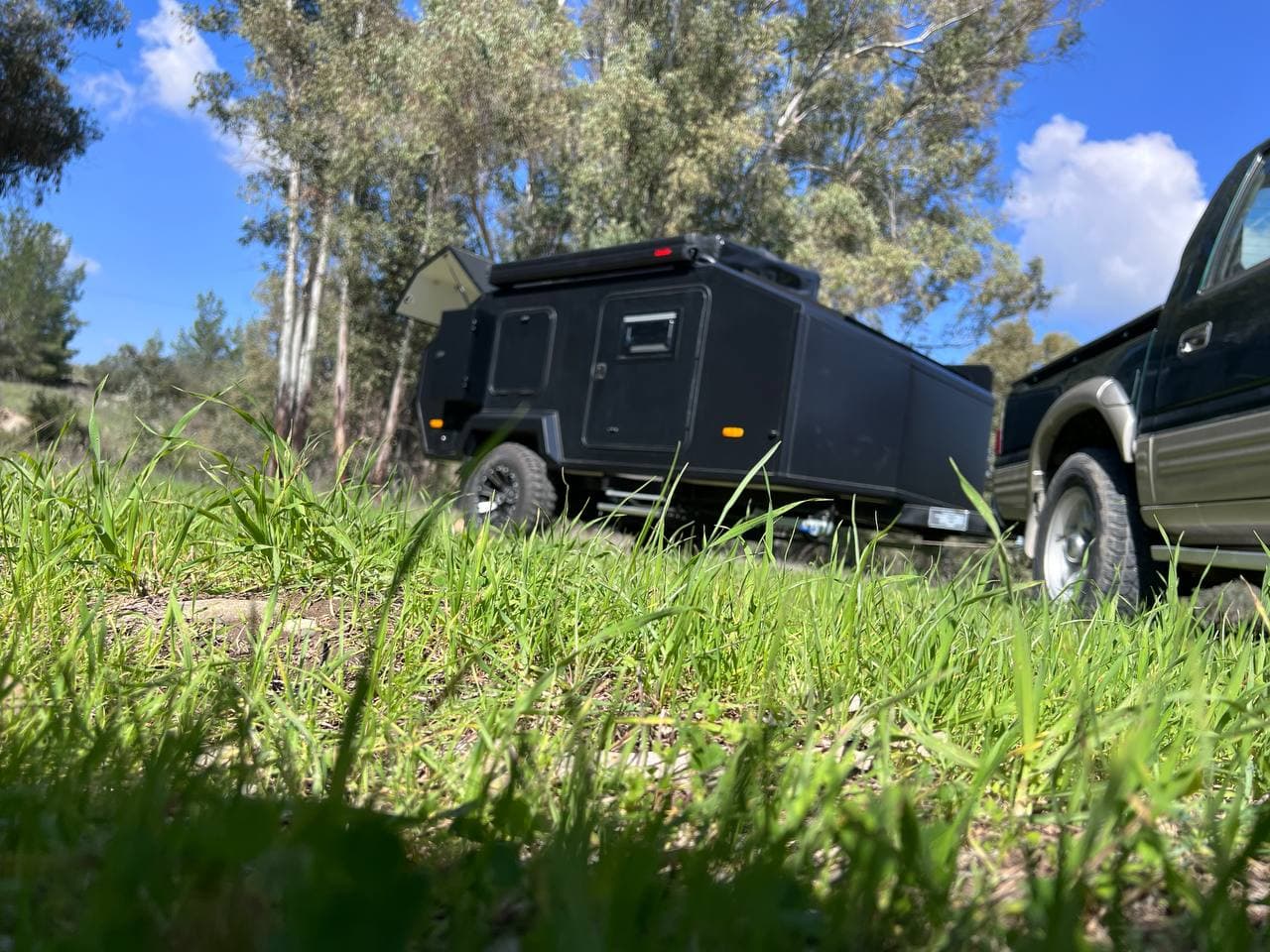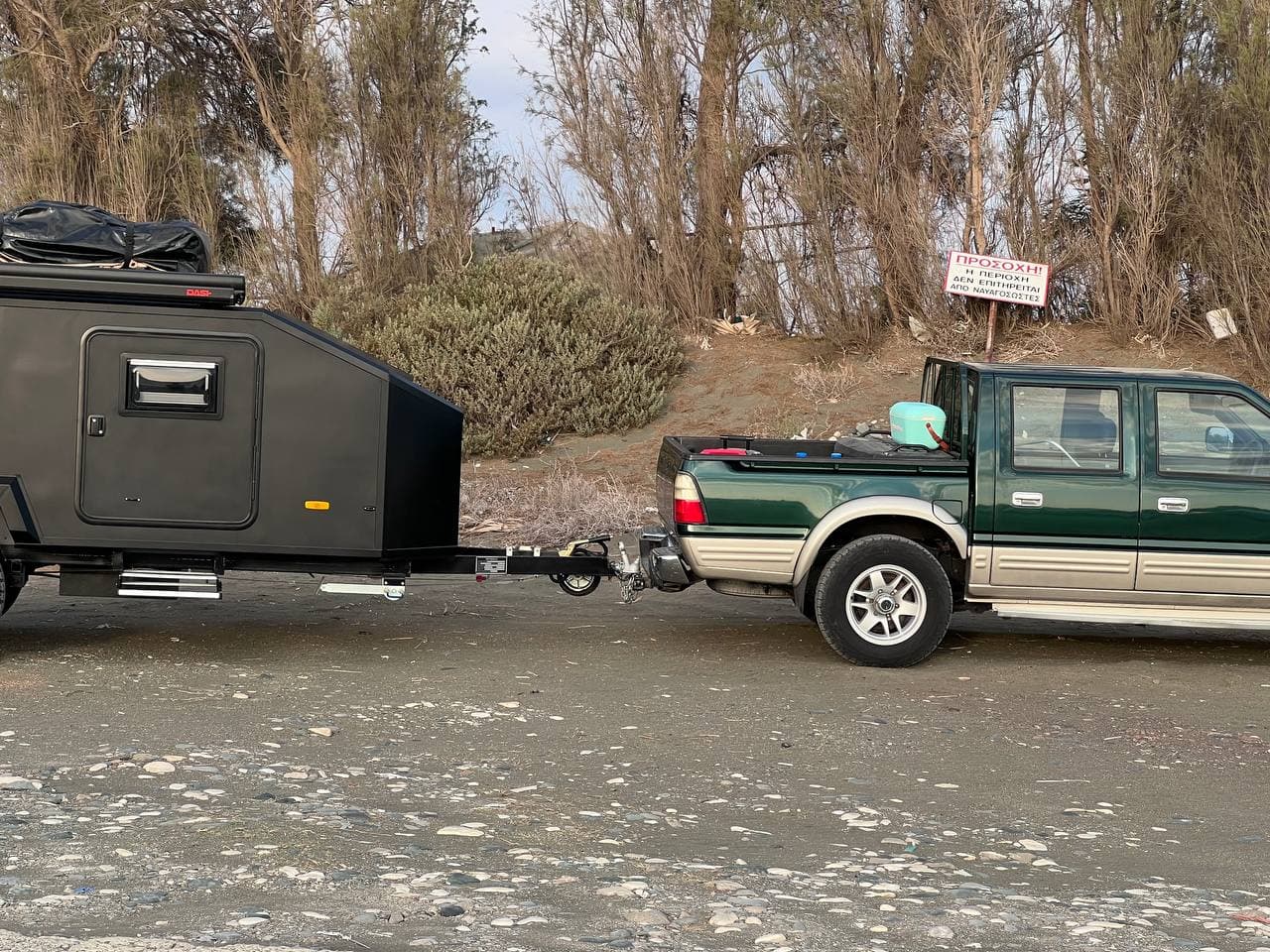



There is a kind of quiet that only arrives after the pavement ends—not silence exactly, but the absence of hurry. You notice it first in the hitch: a slight play you would have ignored in the city, the sort of thing that becomes music three hundred kilometres later if left unattended. I have come to think the road does not measure distance so much as attention.
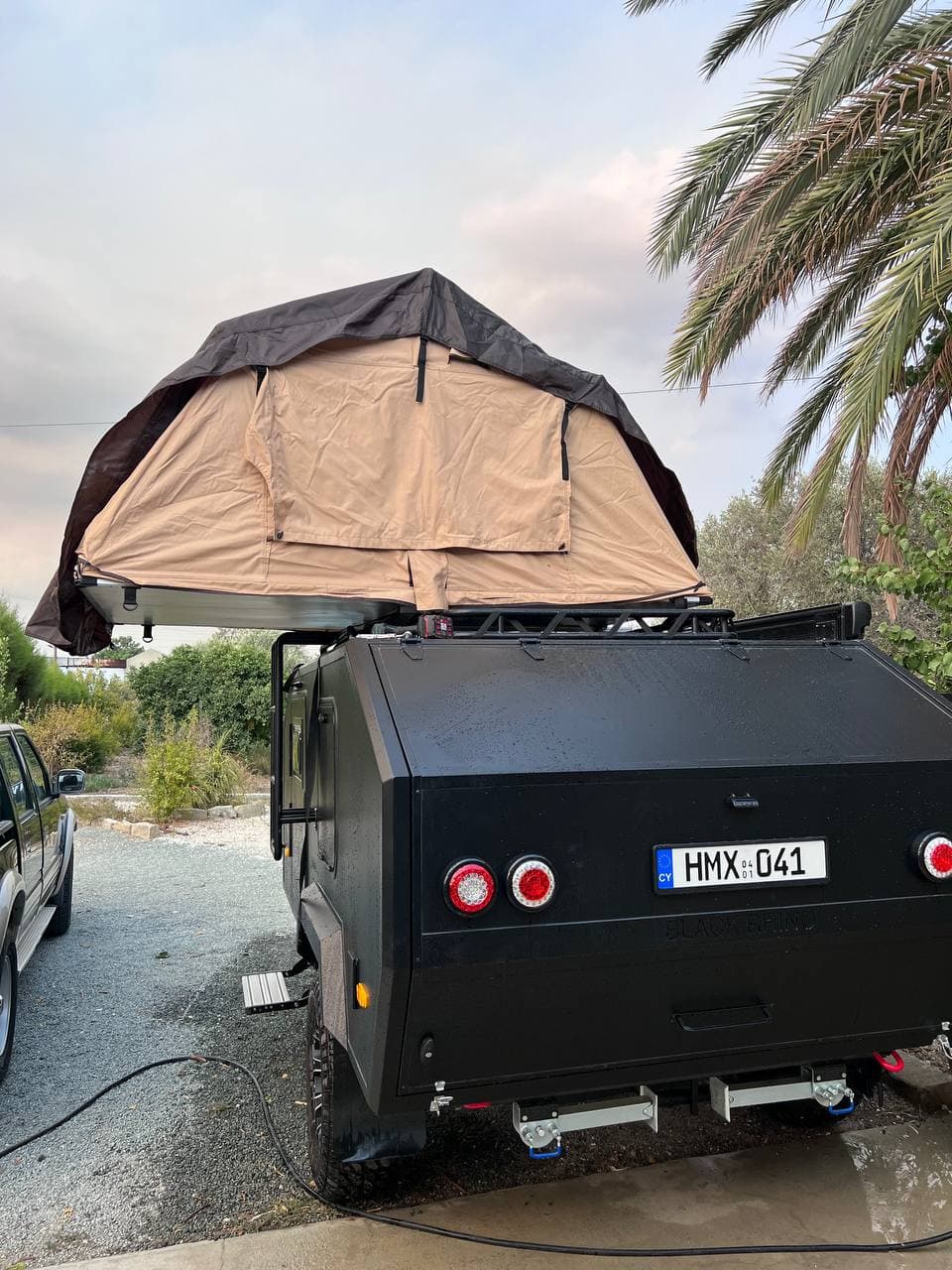
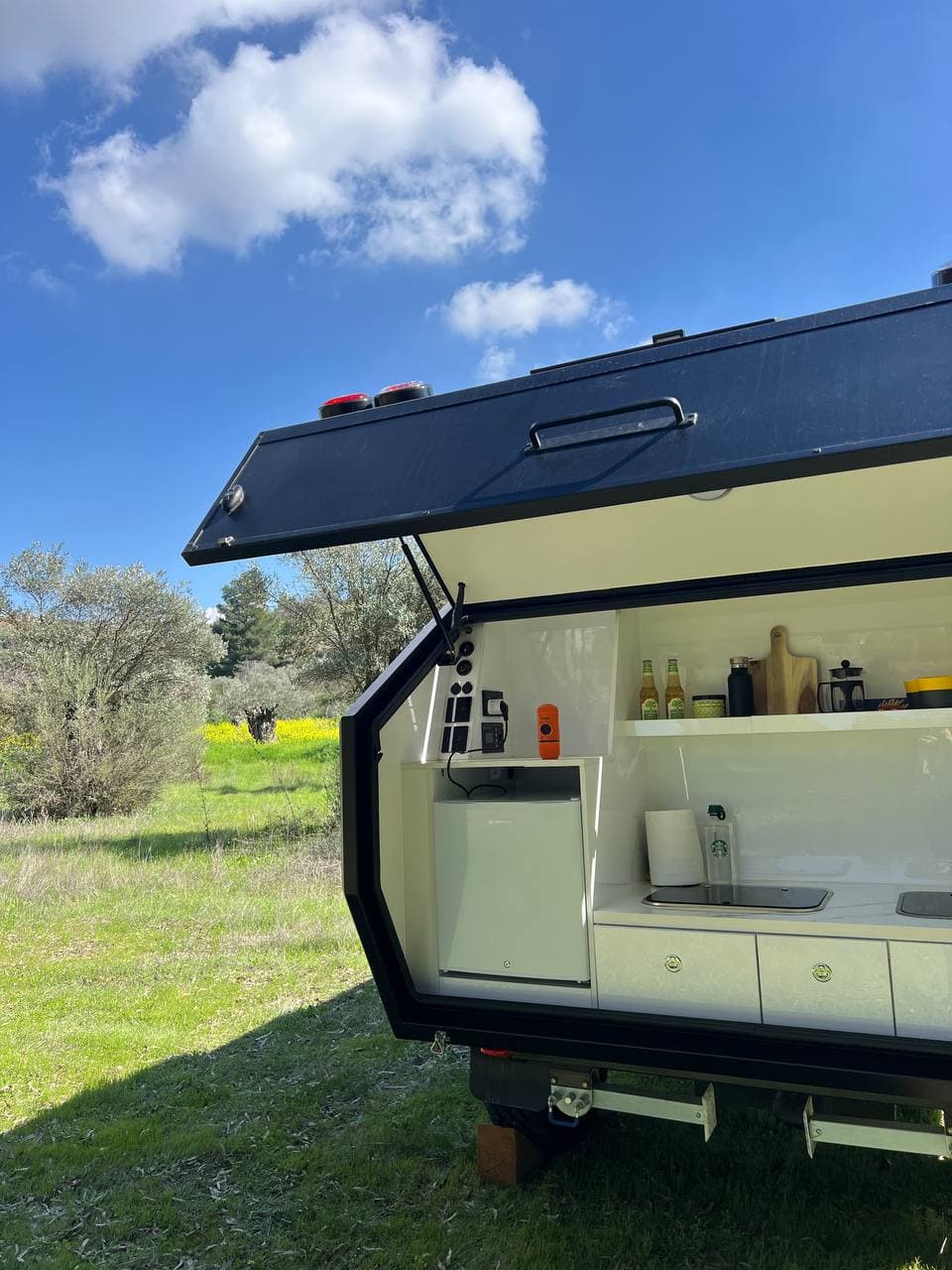
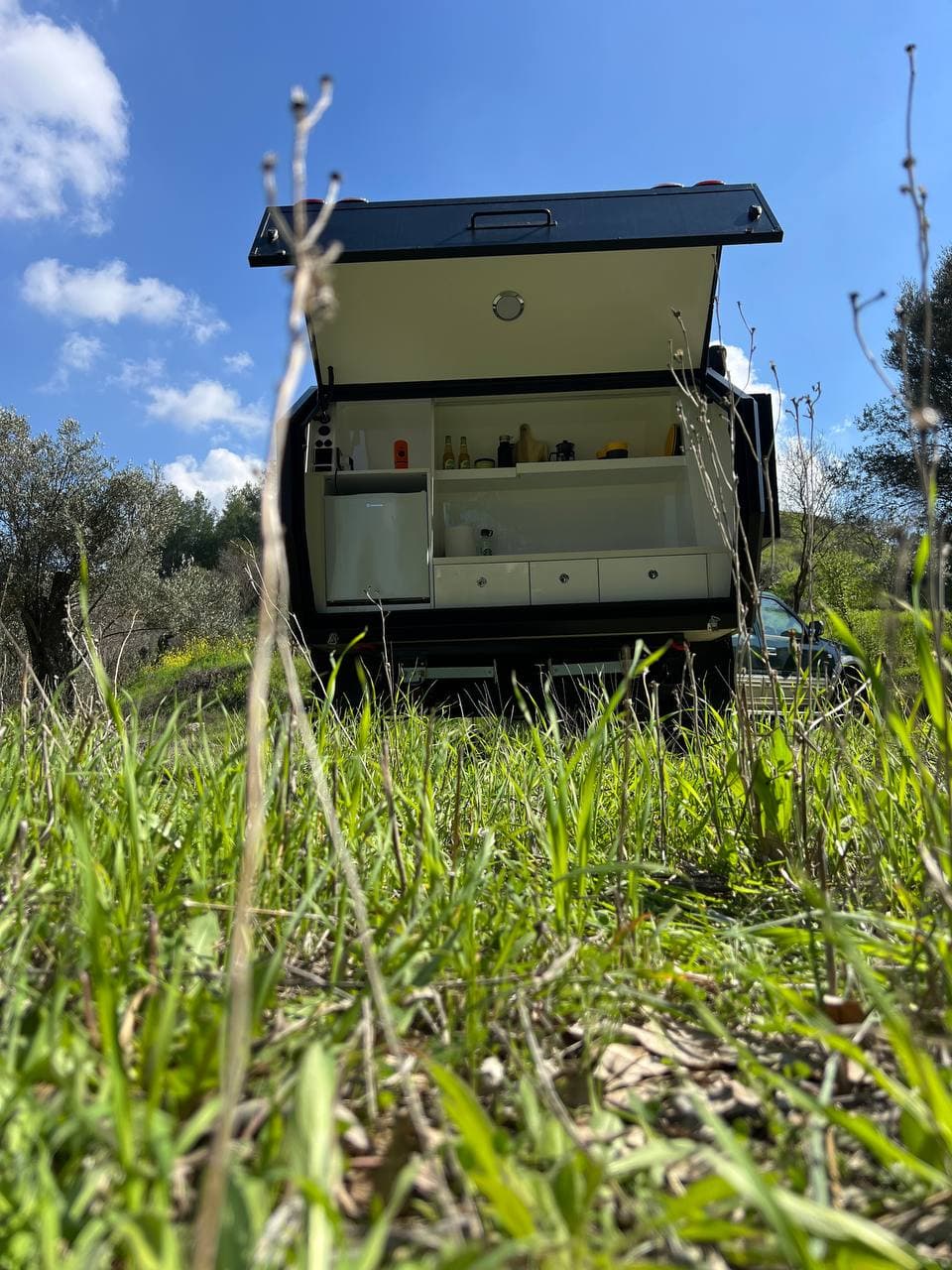
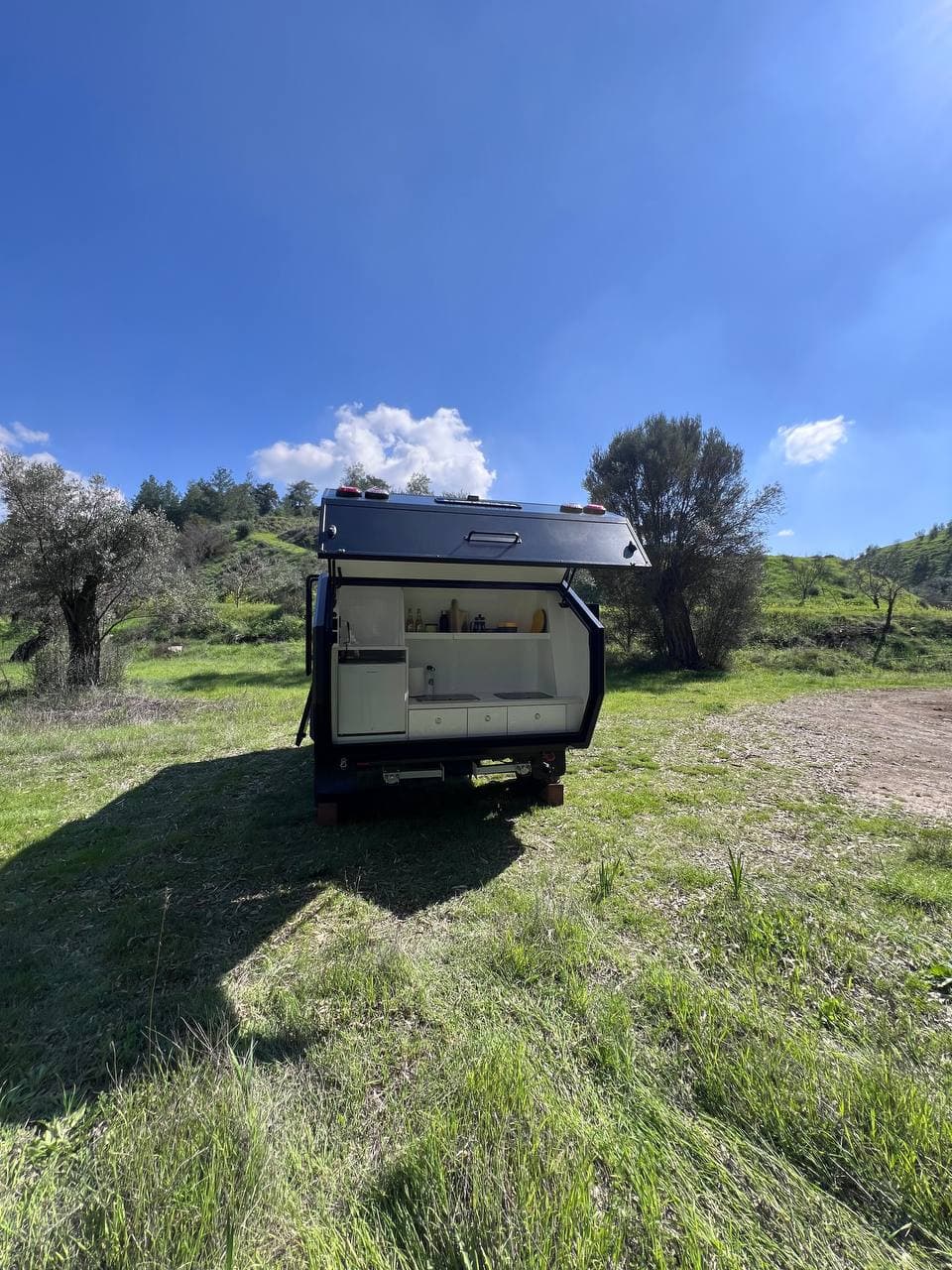
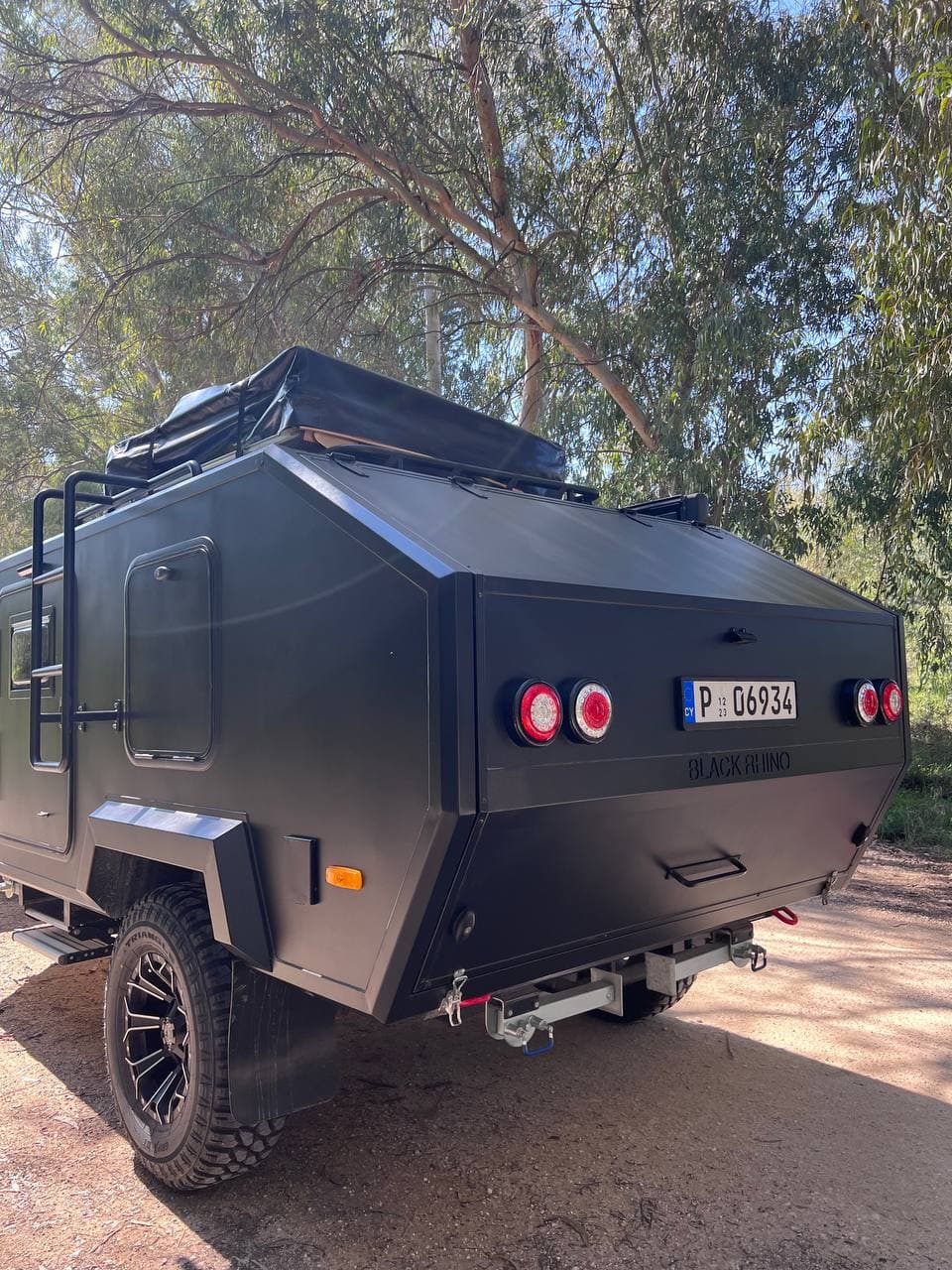
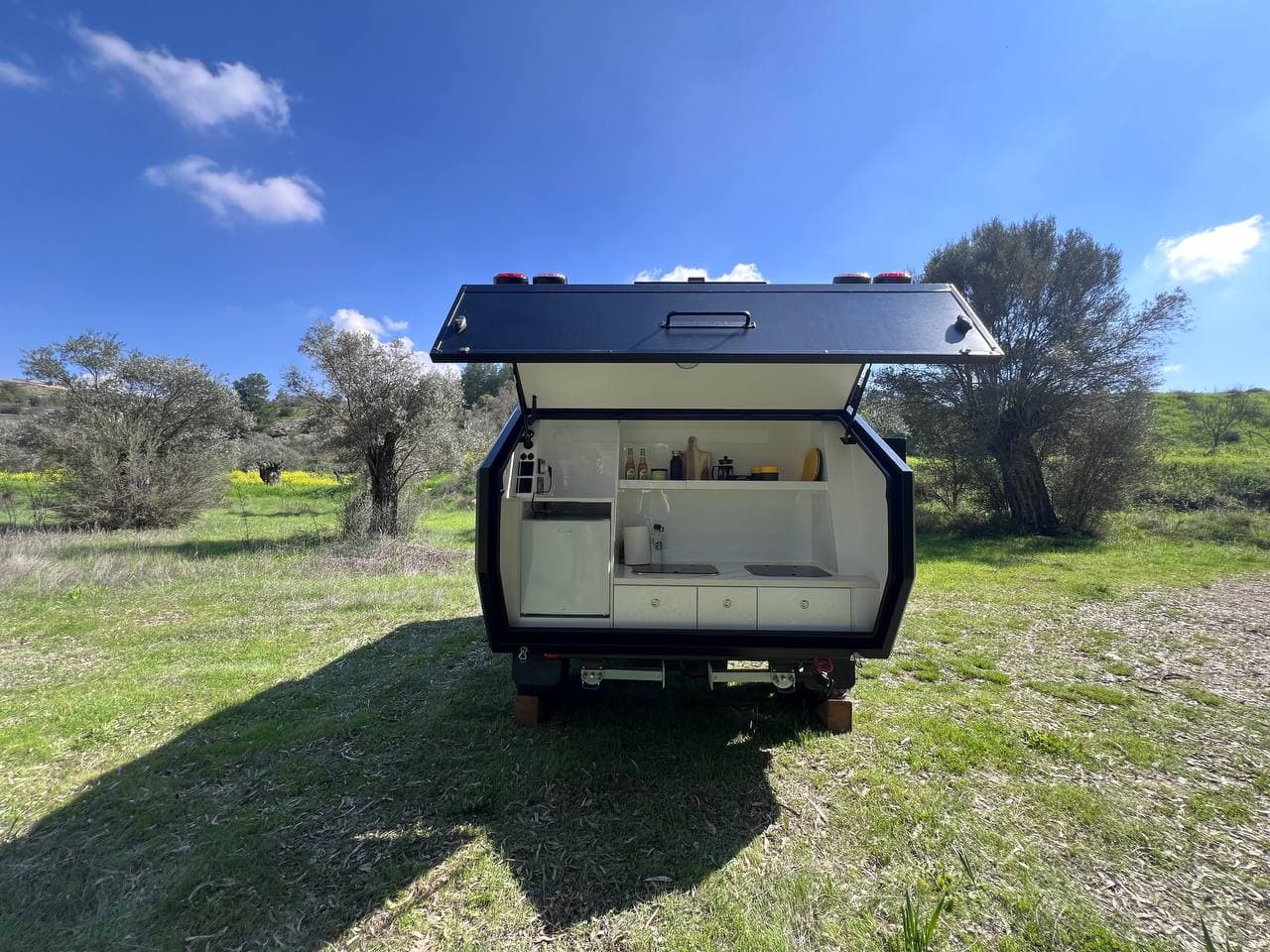
Quality, if it is anything, is not a feature you specify on a sheet. It is what remains when you have tightened what ought to be tightened, when the cupboard door closes without argument, when the stove lights on the second try in wind that would have defeated a careless layout. You cannot buy it wholesale. You can only accumulate it, gesture by gesture, until the whole machine—steel, timber, fabric—begins to behave as if it knows where it is going.
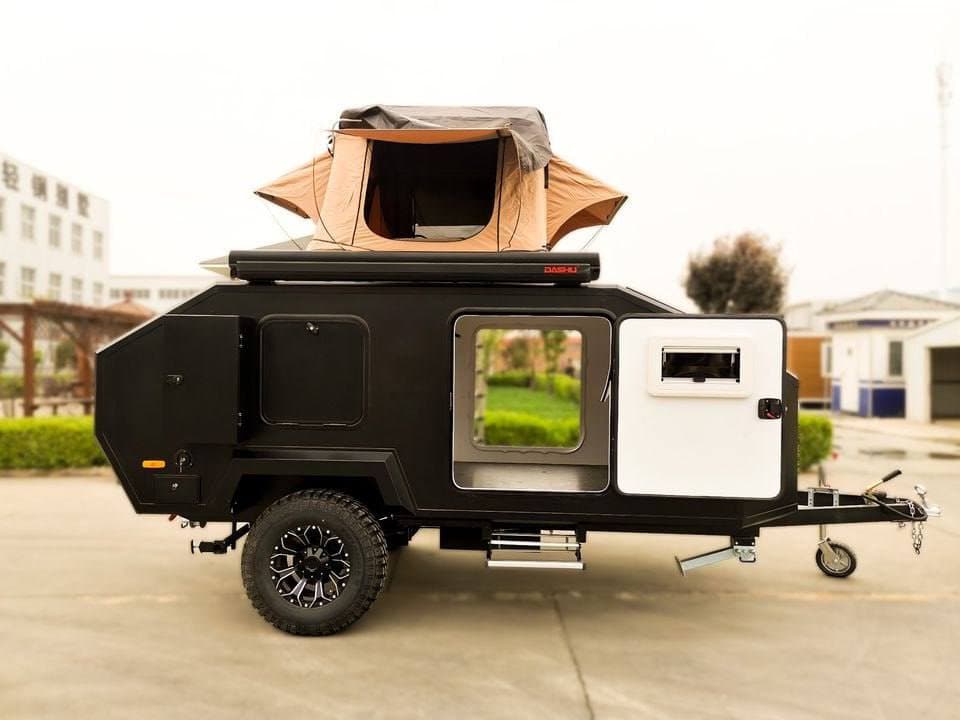
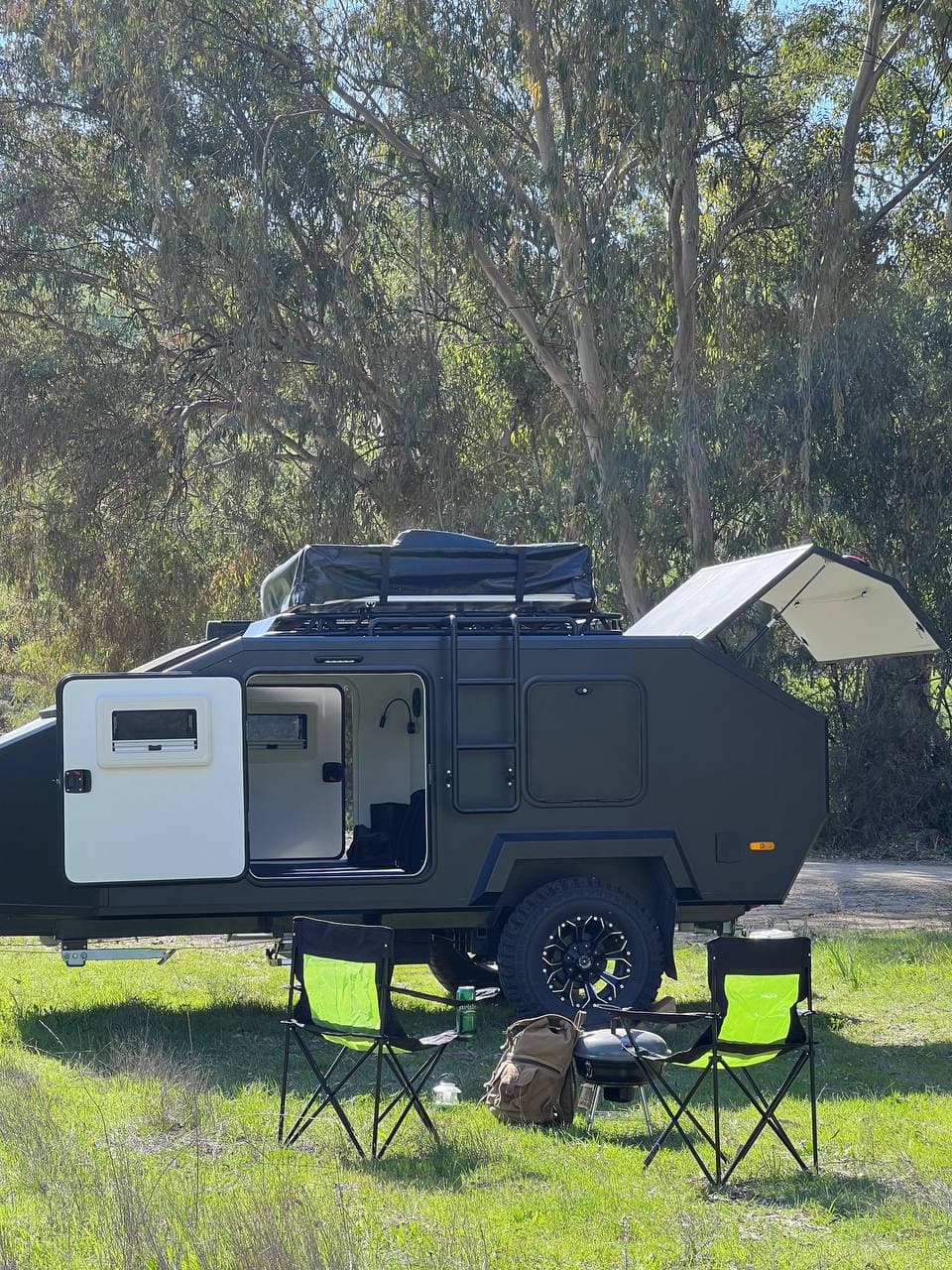
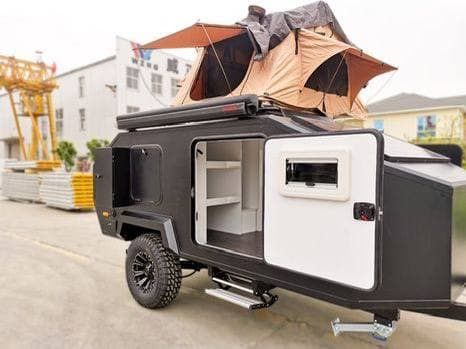
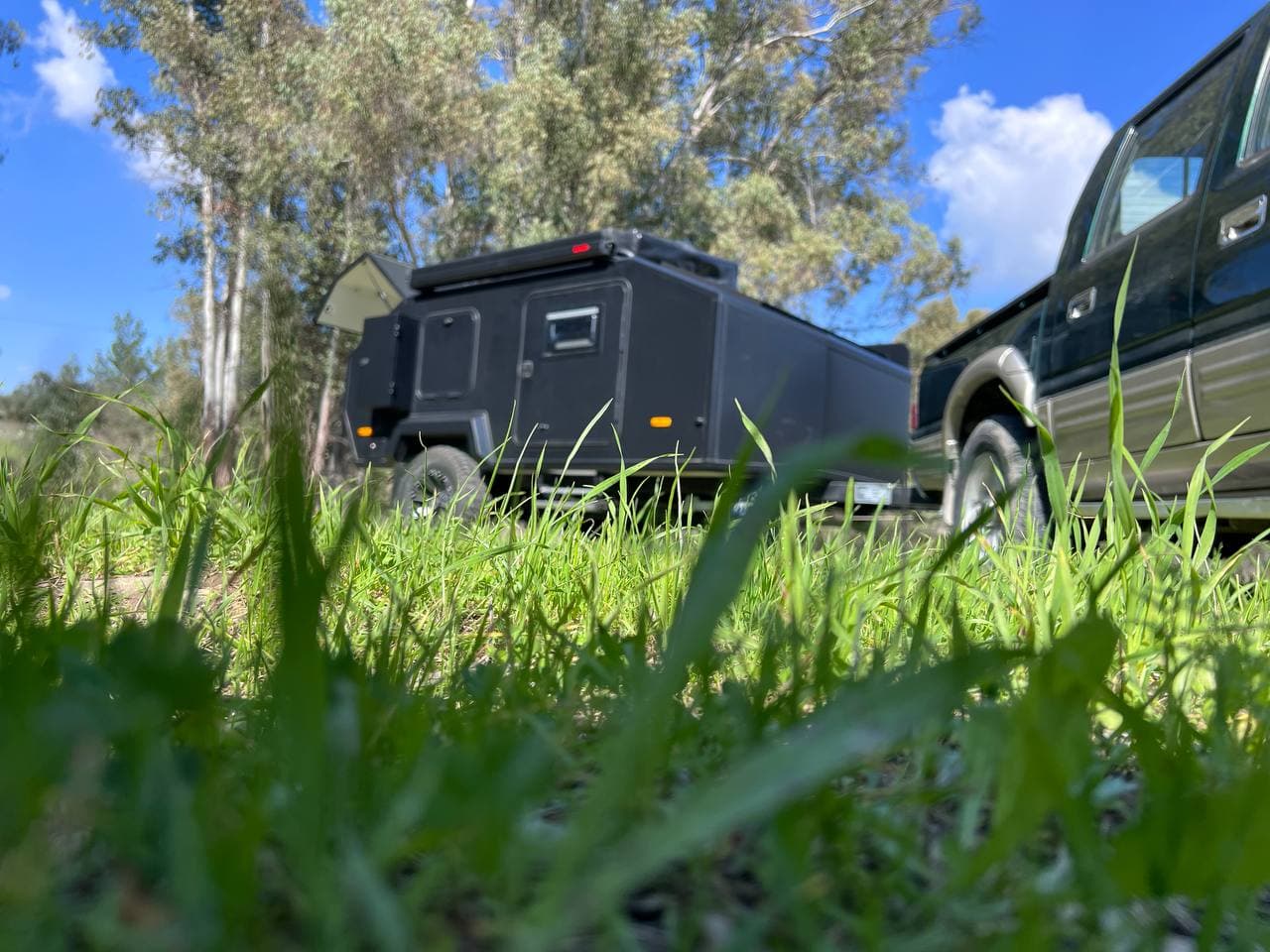
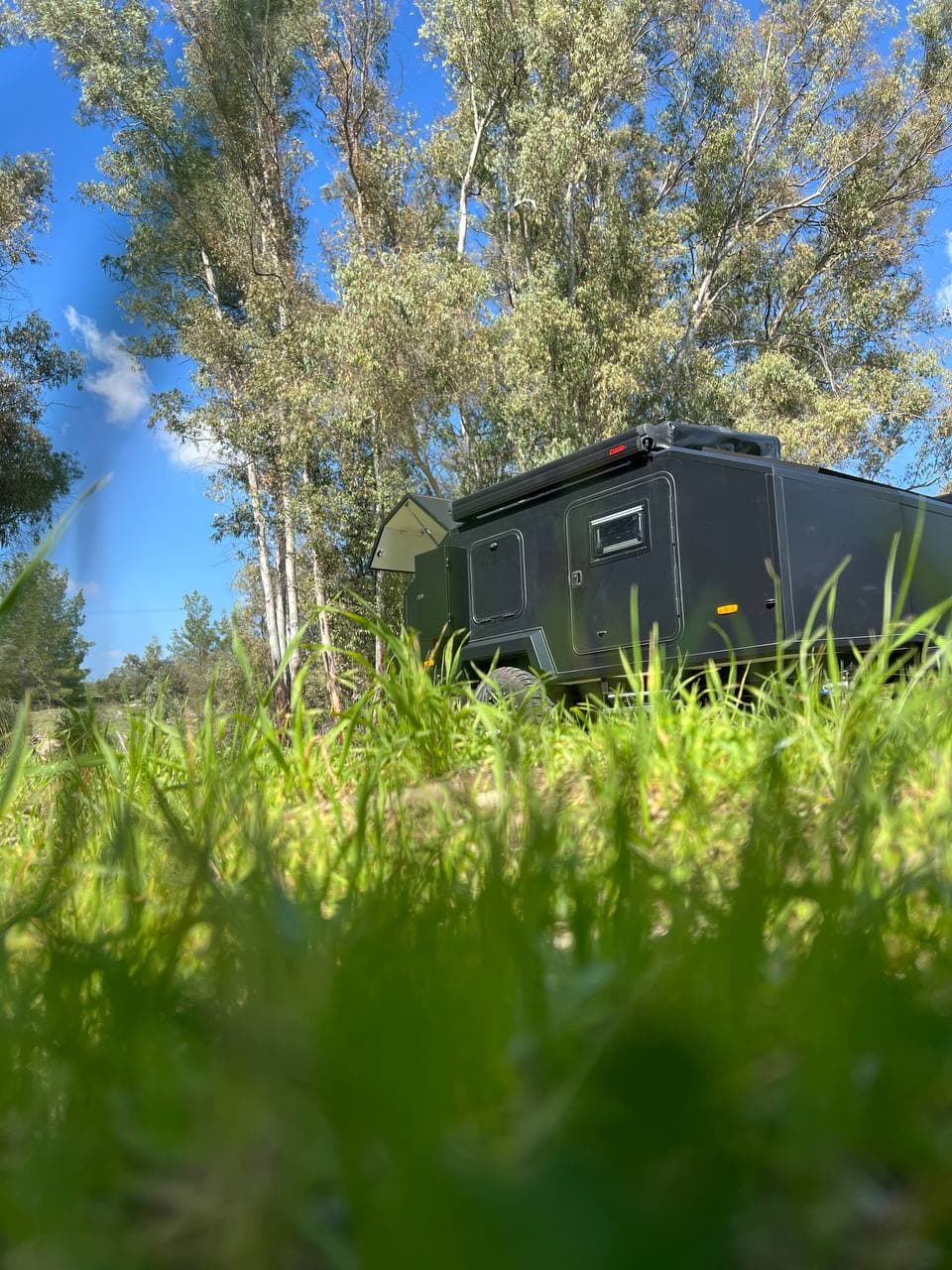
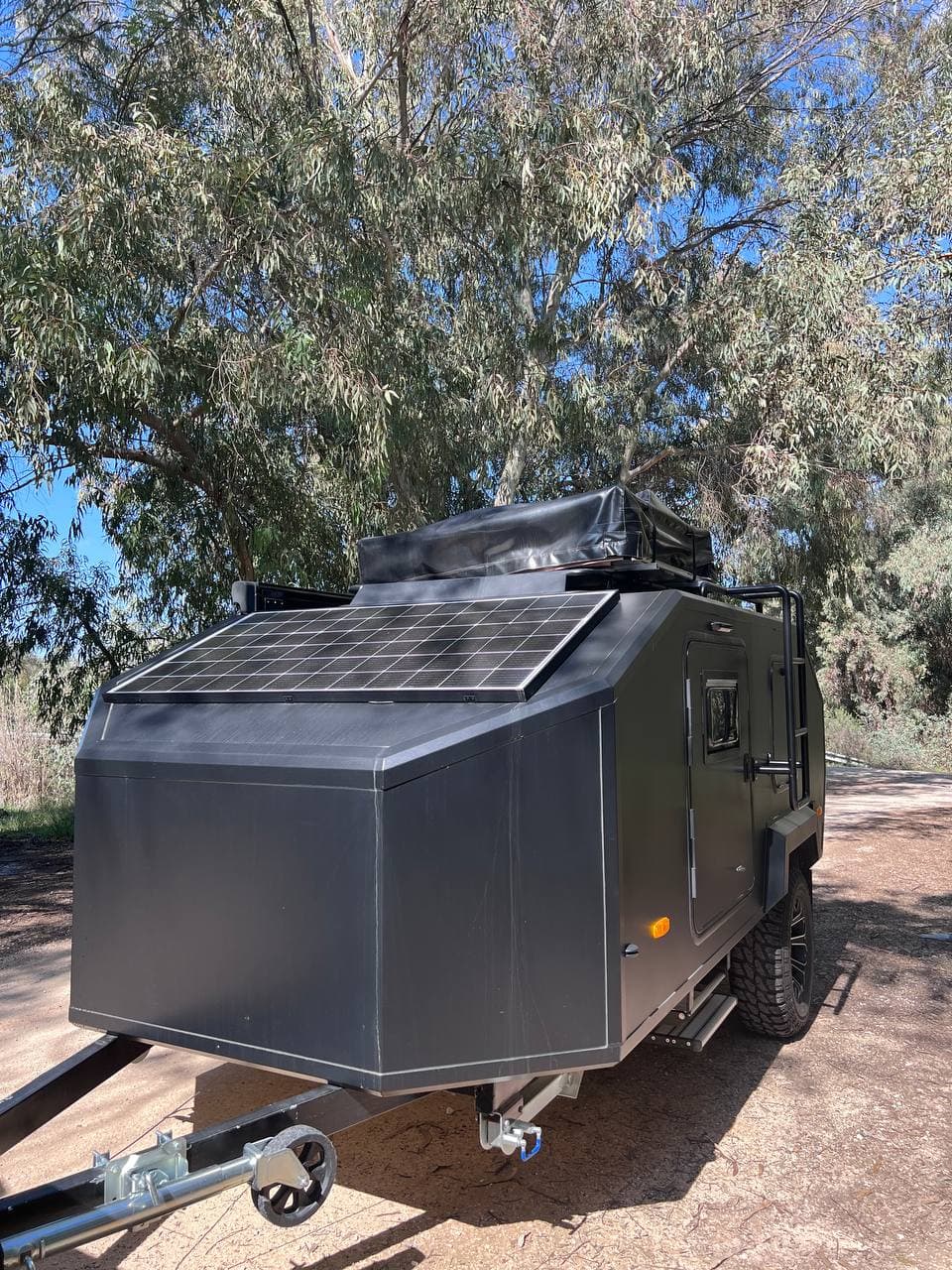
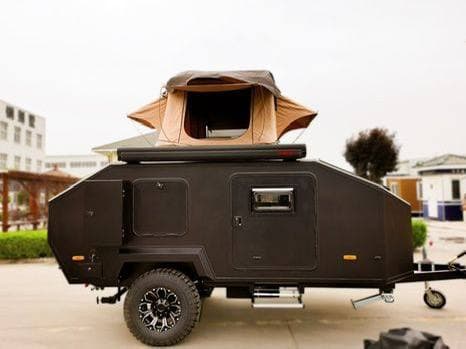
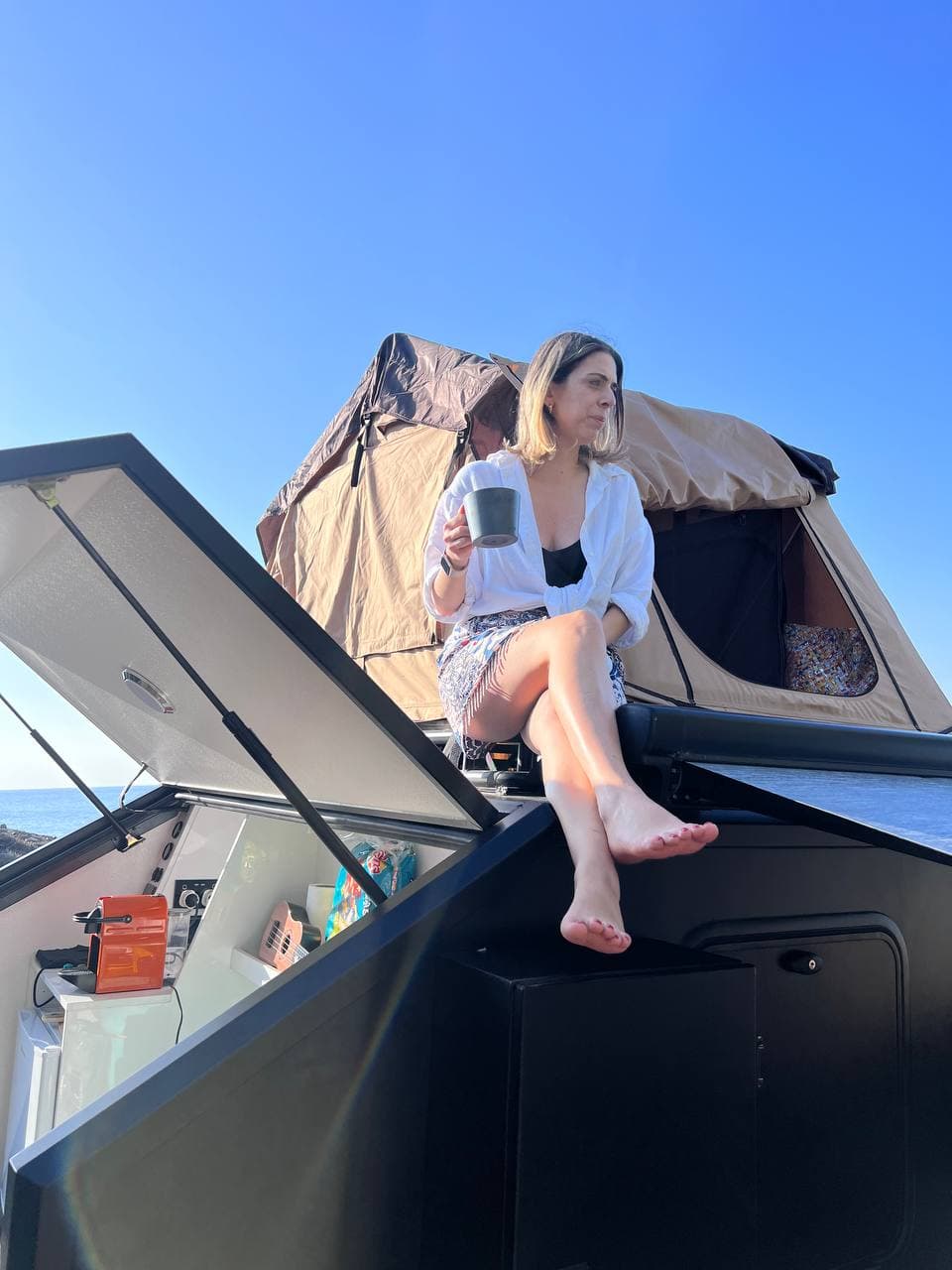
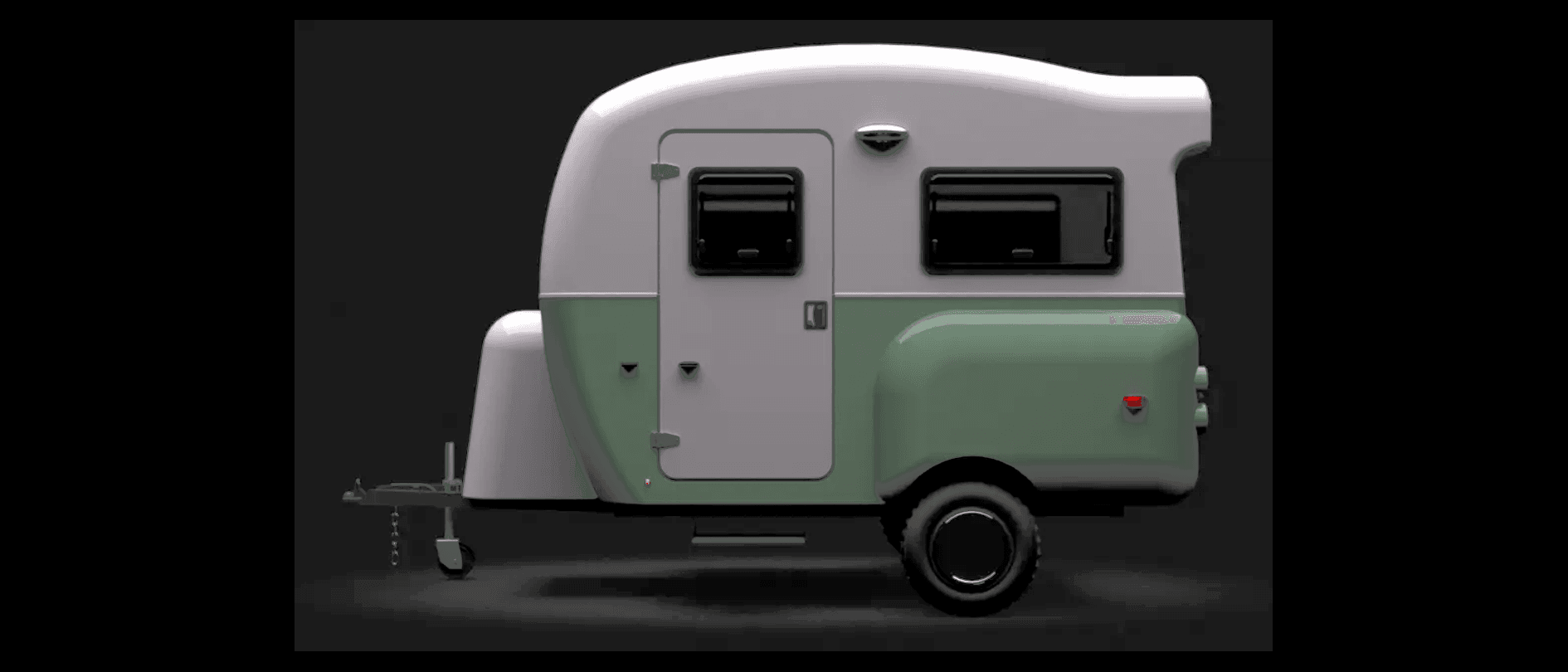
We speak of destinations as though they were the point. They are not. The point is the sustained act of travelling well: reading the surface, choosing the slower line, stopping when the light is right rather than when the schedule says stop. A camper, properly conceived, is not a room dragged behind you. It is a discipline—a promise that rest will be earned, not borrowed.
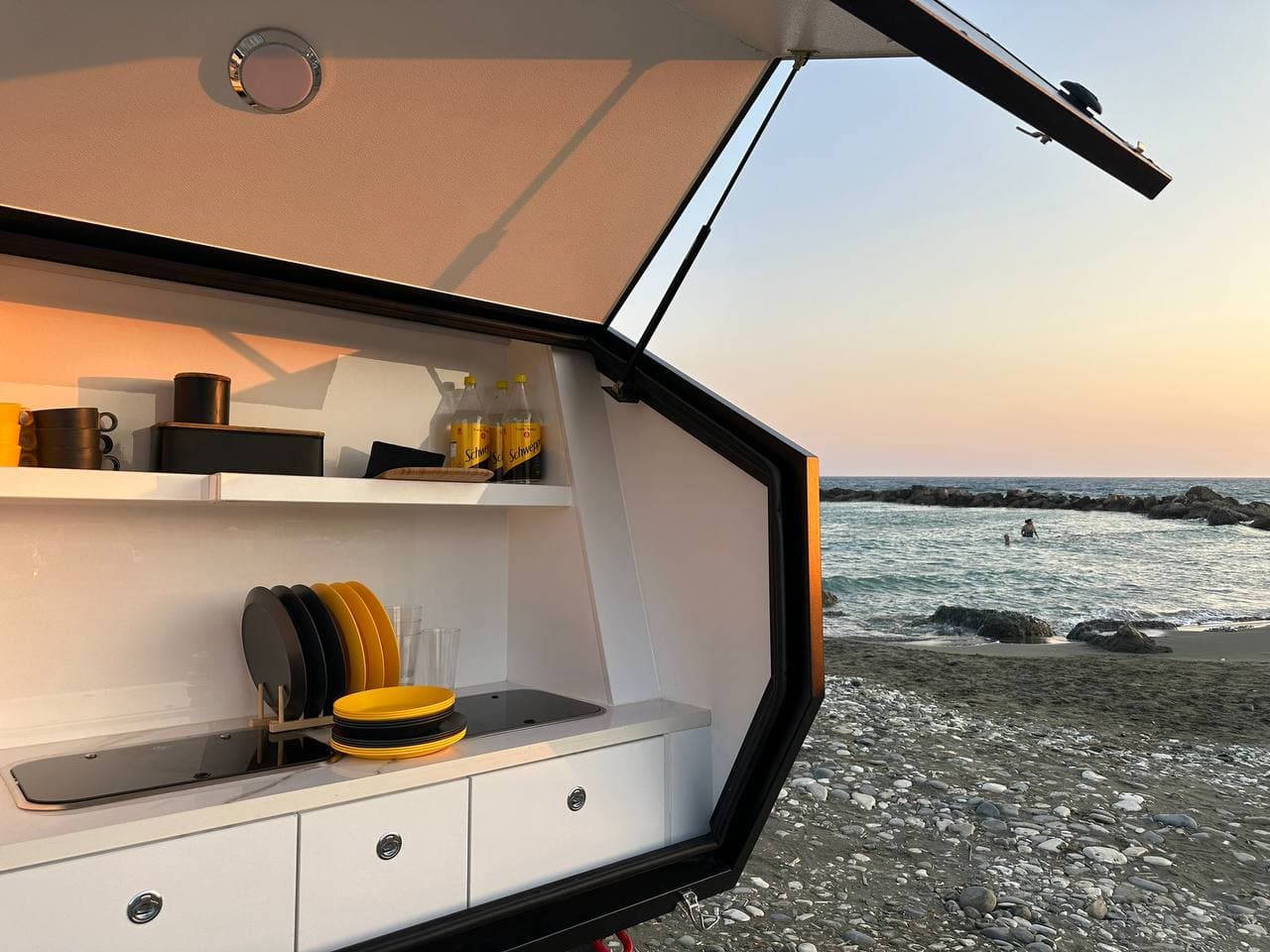
At timberline the air thins and thoughts clarify. You understand then why specification matters—not for show, not for resale, but because every choice is a vote for the kind of traveller you intend to be when no one is watching. Gear stowed for use, not display. Space that forgives mud. Light that does not flatter, only reveals.
The pass opens. You descend. The story continues elsewhere, but the principle does not change: care applied early travels farther than speed applied late. That is the whole lesson the road keeps offering, and keeps offering again, each time you are willing to listen.